
Street Photography as a Documentary Sandbox
On how the streets shape my documentary work
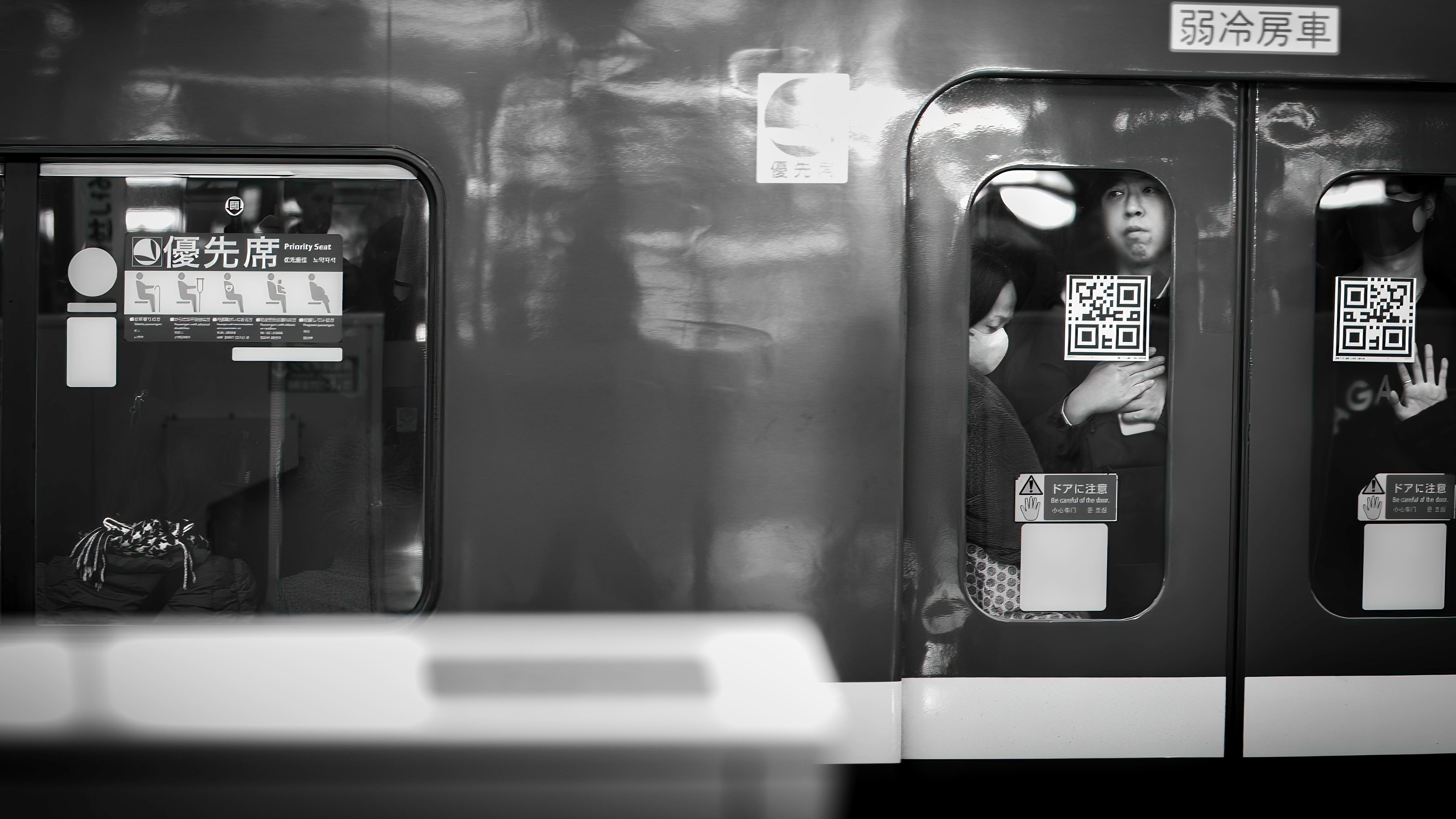
So what even is street photography?
Well, I am not here to define it universally, but instead share the role that it serves in my own process. And over time, that role has evolved substantially.
Somewhere along the way, street photography stopped being the end goal.
Rather than the streets being the final destination, they have instead become the place where I practice the craft, experiment with composition, learn to set a scene and approach people, and develop the kind of toolset that can shape how I approach my documentary work.
The streets have become my documentary sandbox.
Where I go to experiment, play, learn, and ultimately build.
The Streets as Access

Initially my intention when I picked up a camera was to be a street photographer, and thus, several days out of every week, I would commute to the nearest downtown and walk the streets making photographs.
Eventually, though, a shift came: as I learned more about myself with the camera and the medium as a whole, I realized that the work I wanted to be doing would largely be considered “documentary” photography. However, in my eyes, this type of work revolved around discrete people, places, and stories, not random occurrences like we find on the street.
At this stage, my photowalks began to feel rudderless. I tied all of my ambitions to the hope that I might find a story somewhere out there on the streets. And, that is actually how my long-term project, American Dream, came to be. I began finding and compiling stories.
However, I still yearned to make photographs that were about something more specific, tangible, or structured. Unfortunately, I am a sport scientist by trade, and thus don’t have many outlets for being assigned or finding documentary work.
Enter the Boyhood project. Over the last four months, I have been documenting a young boxer and his father as the boy trains to become a world champion — largely doing so out of a garage. I lucked into the opportunity of meeting this pair and the crew they train with, and suddenly I had access for the first time.
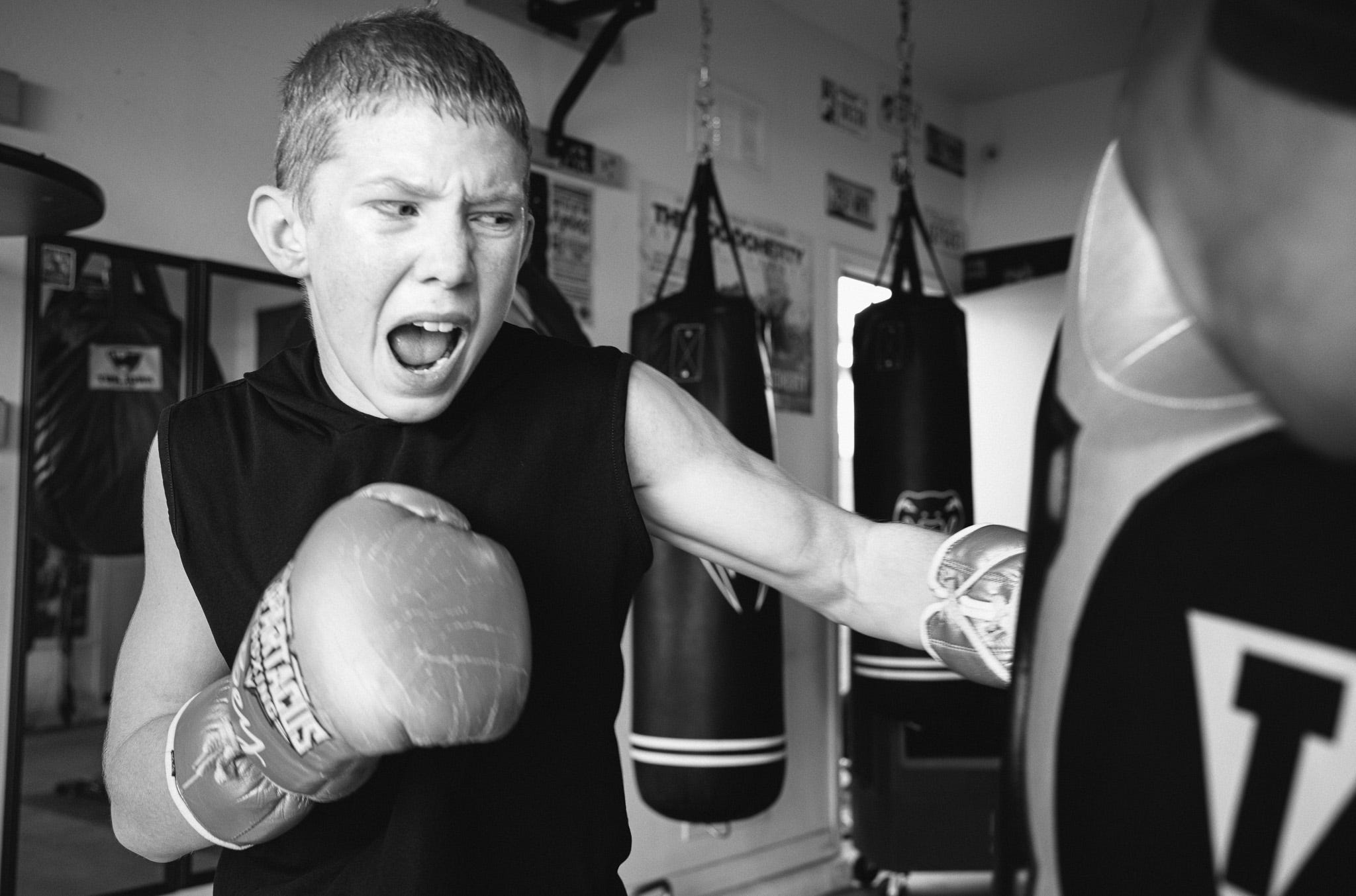
Though I continued to photograph the cities, this concentrated period of time photographing young boxers in a garage gym taught me the underlying value of access. Sure, you need to be able to get “in the room” with the story, so to speak. But really, what access eventually grants us is the time to build relationships. To embed ourselves within the story.
Rather than the photographer becoming invisible as many street photographers attempt to do, access and relationship-building help the camera become invisible.
And this realization has ultimately led to a gradual change in mindset for me. Rather than waiting for or seeking access, I instead reverse engineer it.
If access in documentary work can afford us time to build relationships, I would instead build relationships to gain access. In the context of street photography, this means placing the human before the image. Rather than racing to make the photograph, instead laying the groundwork necessary for stronger, more connected images. By building relationships on the street — though brief as our interactions might be — we can access a deeper part of the individual in front of us.
And, the beauty of the street is this: it is available to us all. Whether you live in the city or on the rural backroads, in the desert or on the coast, we can walk the places around us with our camera and make our own “access”.
For me, documentary work on people and their stories — that is what I strive to be doing, and thus the streets present frictionless access for documenting people and their stories.
The Streets as Practice
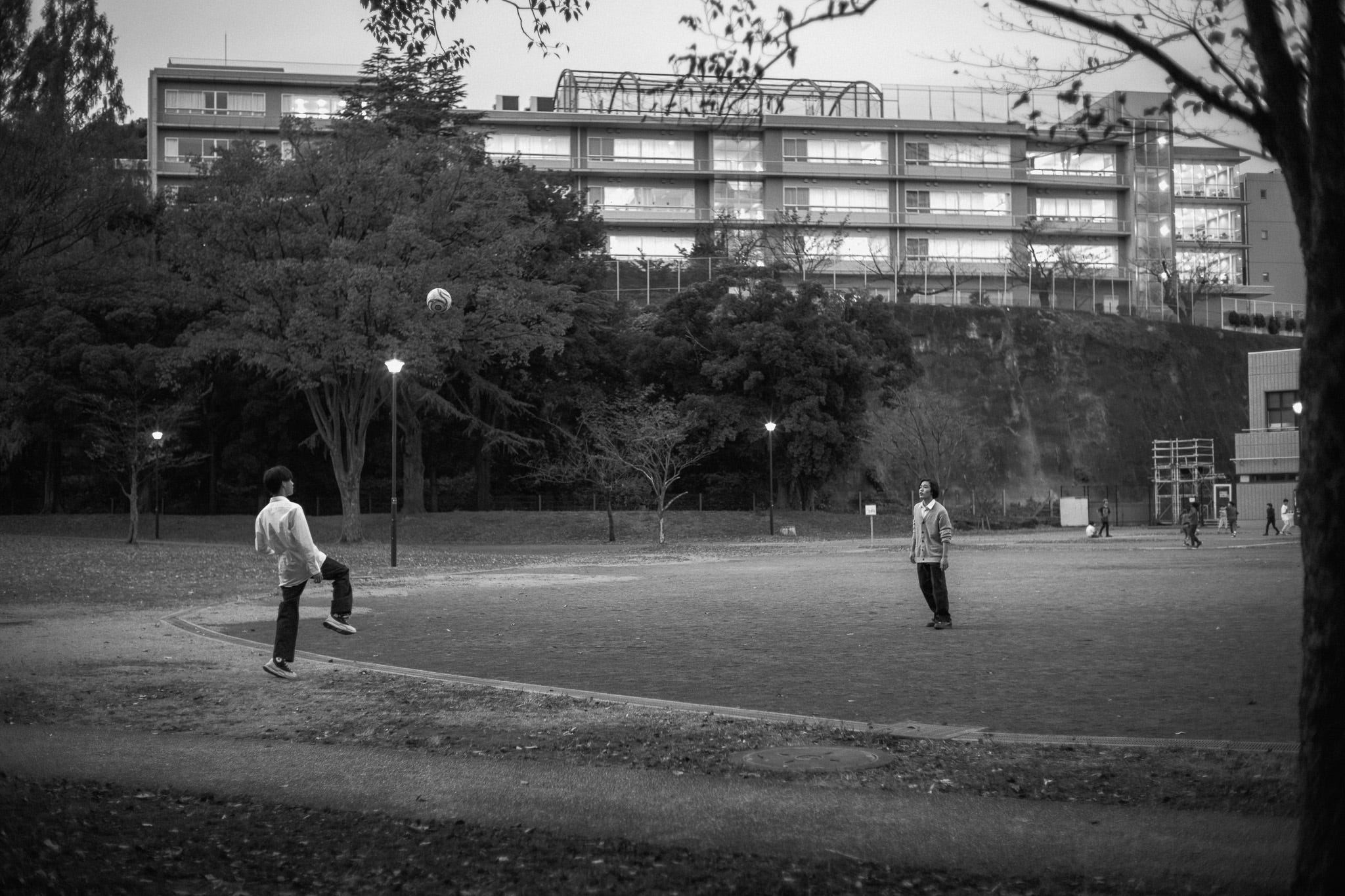
Street photography has also proven to be fertile ground for my development within the actual craft of making photographs, regardless of my aspirations. And to be honest, I don’t see this changing any time soon, and it is my recent documentary work that has shown me why.
My current Boyhood project has created the kind of contrast that allows me to see one of the inherent values of street photography more clearly — its unpredictability.
In photographing the young boxers, I have attended training sessions at their garage gym 2-3 days per week, at roughly the same time each day. This consistency has given me the space to learn how to adapt to the specific environment. For example, I bought my first strobe light to combat the lack of light as the sessions push into the evenings and the sun sets behind the garage. I have also learned the shutter speeds and apertures I want to use in rhythm with the boxers’ movements. This predictability deepens specific skillsets.
Street photography, however, provides complementary value in two ways, all of which through its unpredictability. First, it broadens skills: walk a city enough and you will know almost nothing is constant. And thus, we are forced to think more quickly and adapt our approach to whatever we come across.

Additionally, street photography can help us groove or cement skills due to this inherent unpredictability, especially when we add our own constraints. For example, we could grab our camera and walk the streets, ready and open to photograph anyone or anything. It would be like having a tool-belt with many tools, and then using each specific tool to fit a particular problem.
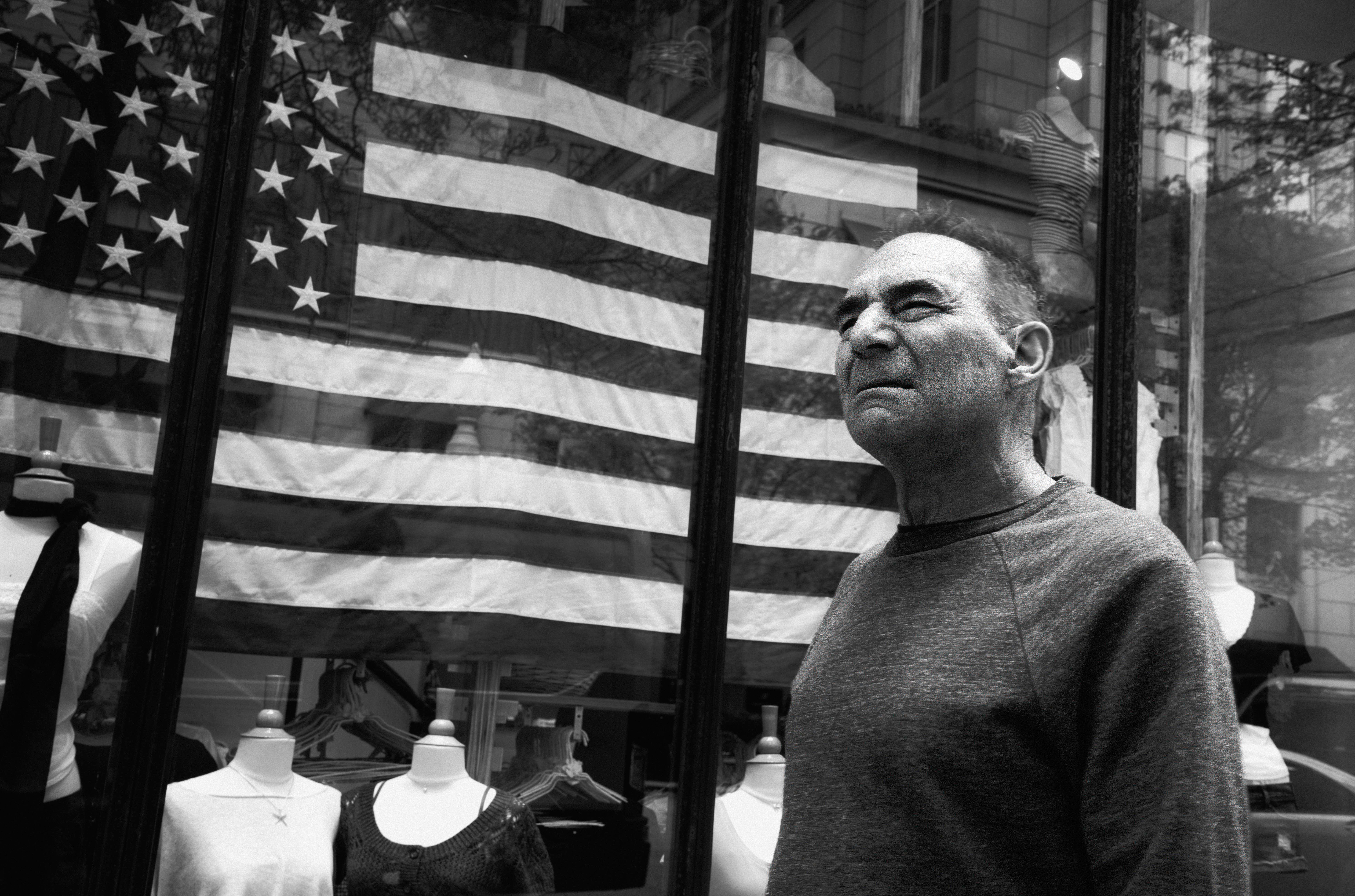
On the other hand, we could embark on the streets with our camera in hand and a developmental mission in mind. For instance, today I am only going to photograph gestures, essentially limiting us to just one tool on our tool-belt, setting us off to look for only the specific instances where we can use it.
Of course, you could constrain yourself to gestures in the documentary work — or the more predictable environment/situation — however, this poses less of a technical challenge. The street, instead, pushes us to be more intentional, adaptable, and resilient, and thus helps cement and groove a skill such that we can use it in many contexts. This is exactly how we train out athletes when it comes to skill acquisition.
Learn the skill, then challenge it with variability and unpredictability.
The overall shift for me comes from the simple fact that I know the streets will always be there, no matter what other photographic work I am doing. And thus, there is always a place for me to work on the craft and challenge myself.
The Streets as Social Training
Now, it is important to note that street photography for me is not just some utilitarian construct that I use to run photographic “drills”. It is still a space that I get enormous personal fulfillment. And that largely stems from the human connection.
The day before writing this piece, I went out onto the streets of Downtown Phoenix for a one-hour photowalk. In that hour, I made nine different individual street portraits, and several group portraits. Let me be clear: I had no intention of making that many portraits. This day was an anomaly, as I ran into three separate groups of three people on a busy Saturday evening, nearly all of which actually engaging me first when they saw my camera.
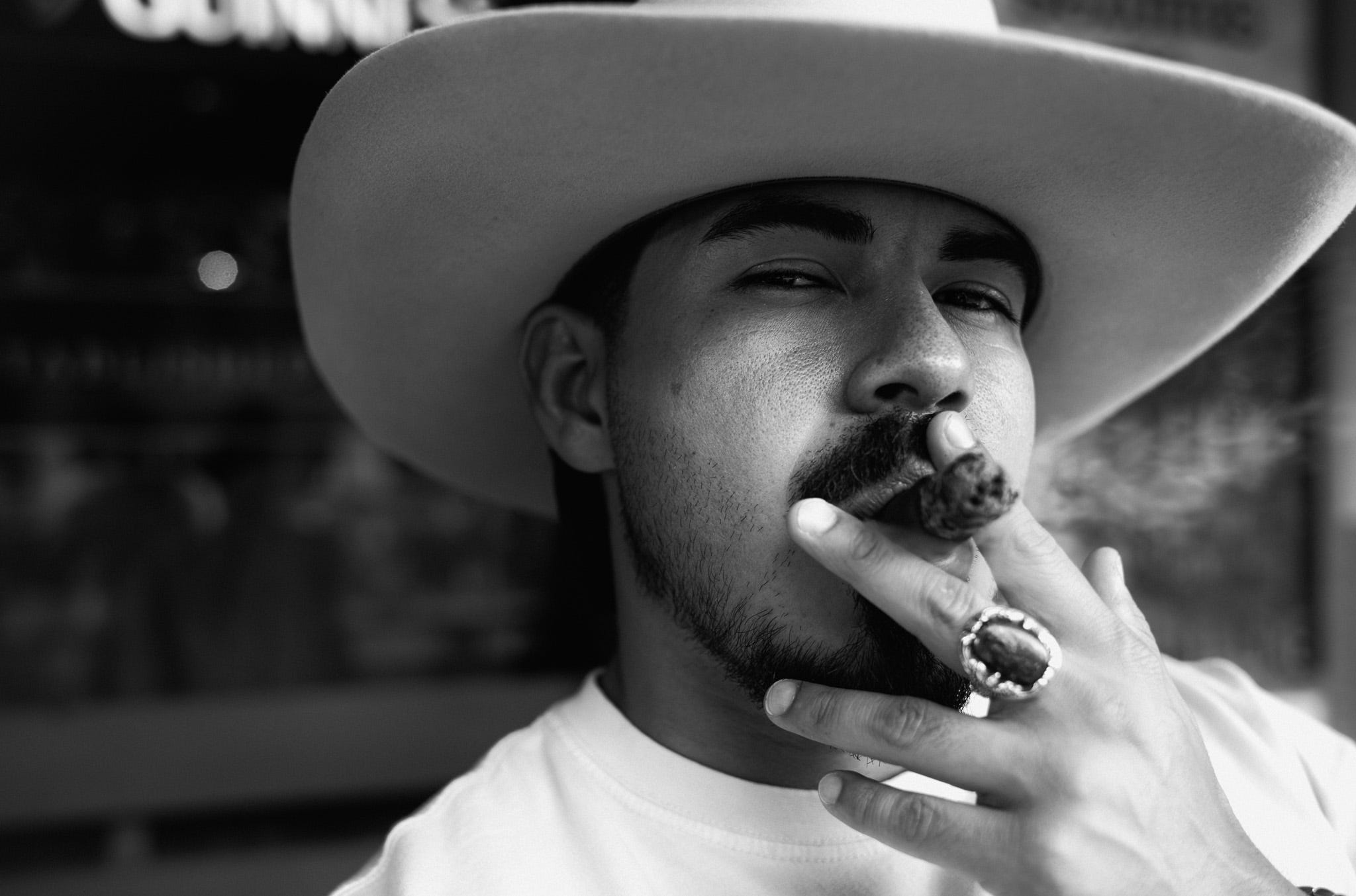
Ultimately, however, this was an incredibly rewarding session — not only because I enjoy connecting with people, but because it posed a tremendous social and cognitive challenge for me to try to engage each person in a deep enough manner to make a connection that would lead to something true and meaningful in the image.
If in documentary work you often photograph similar people within a project, then the streets provide much less consistency by comparison. In yesterday’s session alone, I photographed…
Three high-school aged skateboarders
Three college-aged guys out on the town
A group of two guys and one gal in their 30s at a cigar bar
These groups (and individuals) each required their own shade of interpersonal skills in order to partner with them in the image-making process.
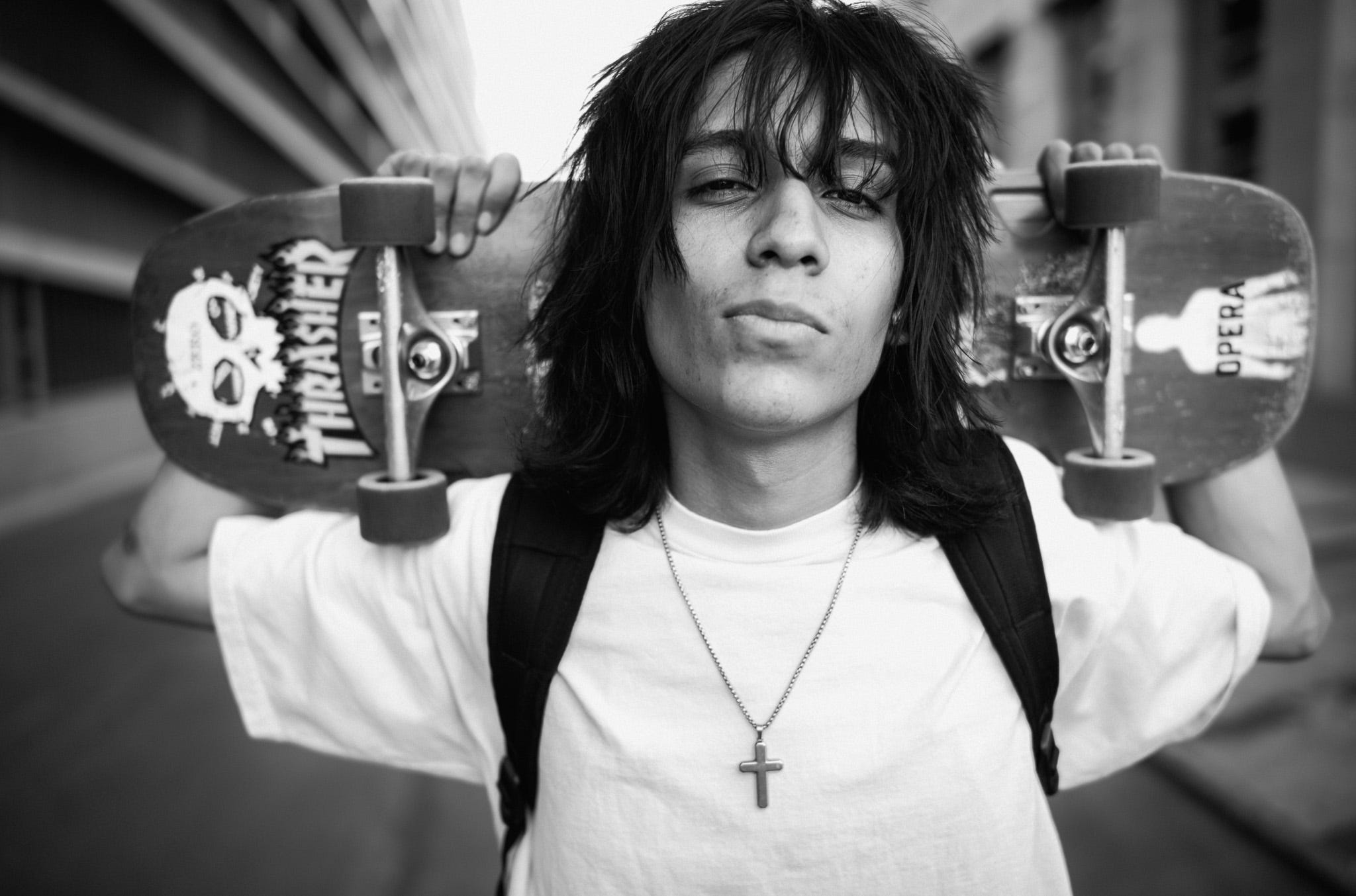
Much like the case of technical skill development, the streets offer the opportunity for us to work on our interpersonal skills in a highly variable setting, thus challenging us to adapt and grow.
Certainly, not every photographer is looking for that human connection in their work. However, it has become clear to me that human connection is, in fact, a central pillar of my work. Thus, the streets have been and will continue to be a place I visit weekly to make and further enhance these connections.
The streets are no longer simply the place I go to make photographs — although I do make them there regularly.
Rather, the streets have become my sandbox for documentary work: they are where I go to work on the instincts that documentary work demands: adapting to unpredictability, establishing trust, learning to communicate with people, recognizing the moment and finding meaning in it.
In this way, street photography is no longer the destination it once was when I first picked up the camera.
It has become my foundation.
Wonderful photographs and thoughts. Confirms my belief that as one makes enough photographs, the camera begins to reveal the deeper meaning behind the work.
Very well said, and a perspective that I hadn’t thought about before. Thanks for sharing