
The Best Camera is...
I have found my "best" camera. Have you?
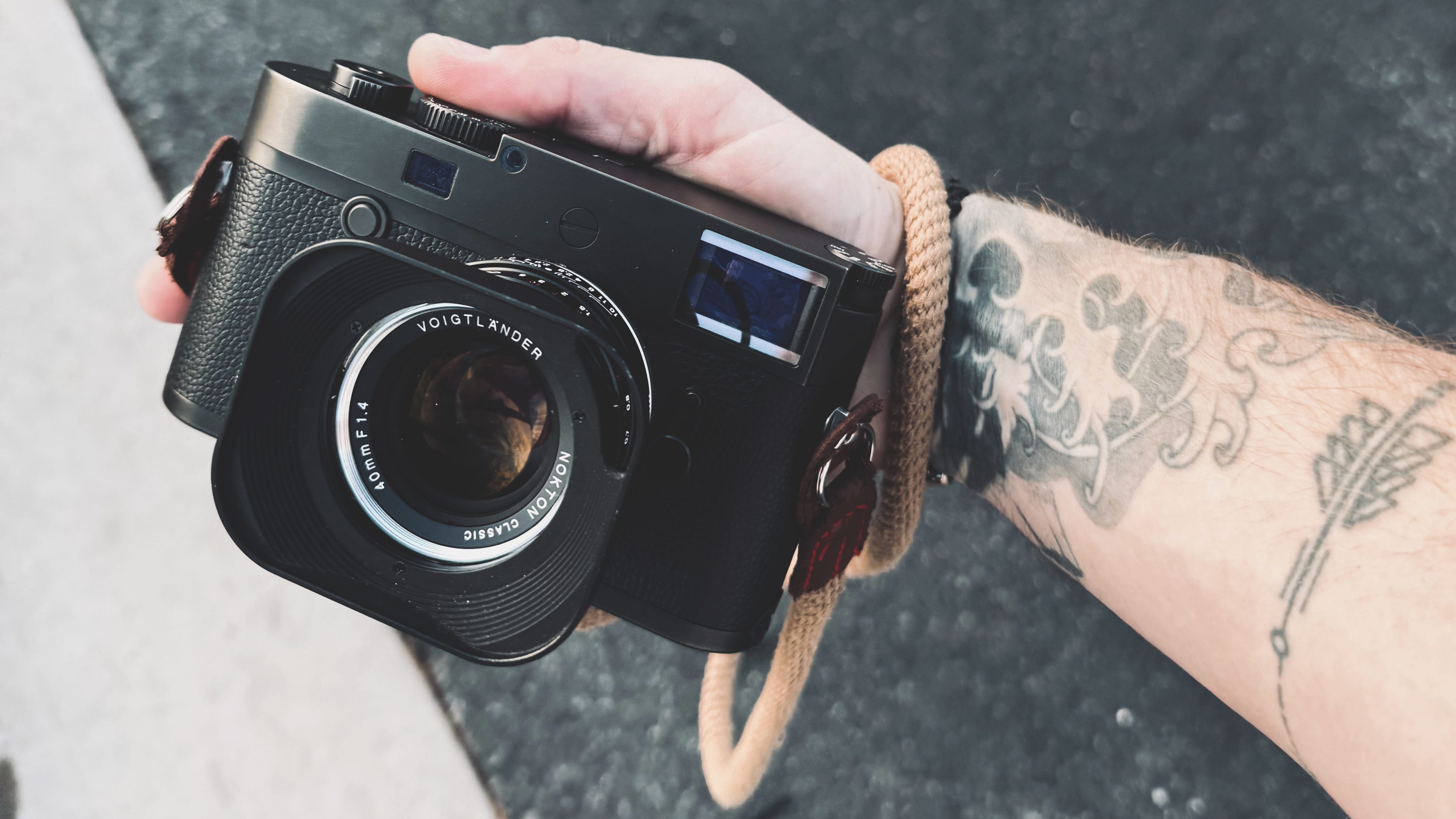
There’s a saying — you know it already: the best camera is the one you have with you.
And of course, this is the truth. But I’d like to take it one step further if you’ll humor me for a moment?
The best camera is the one you fall in love with. The camera that you not only can’t wait to use, but the one you can’t (or don’t want to) shoot without.
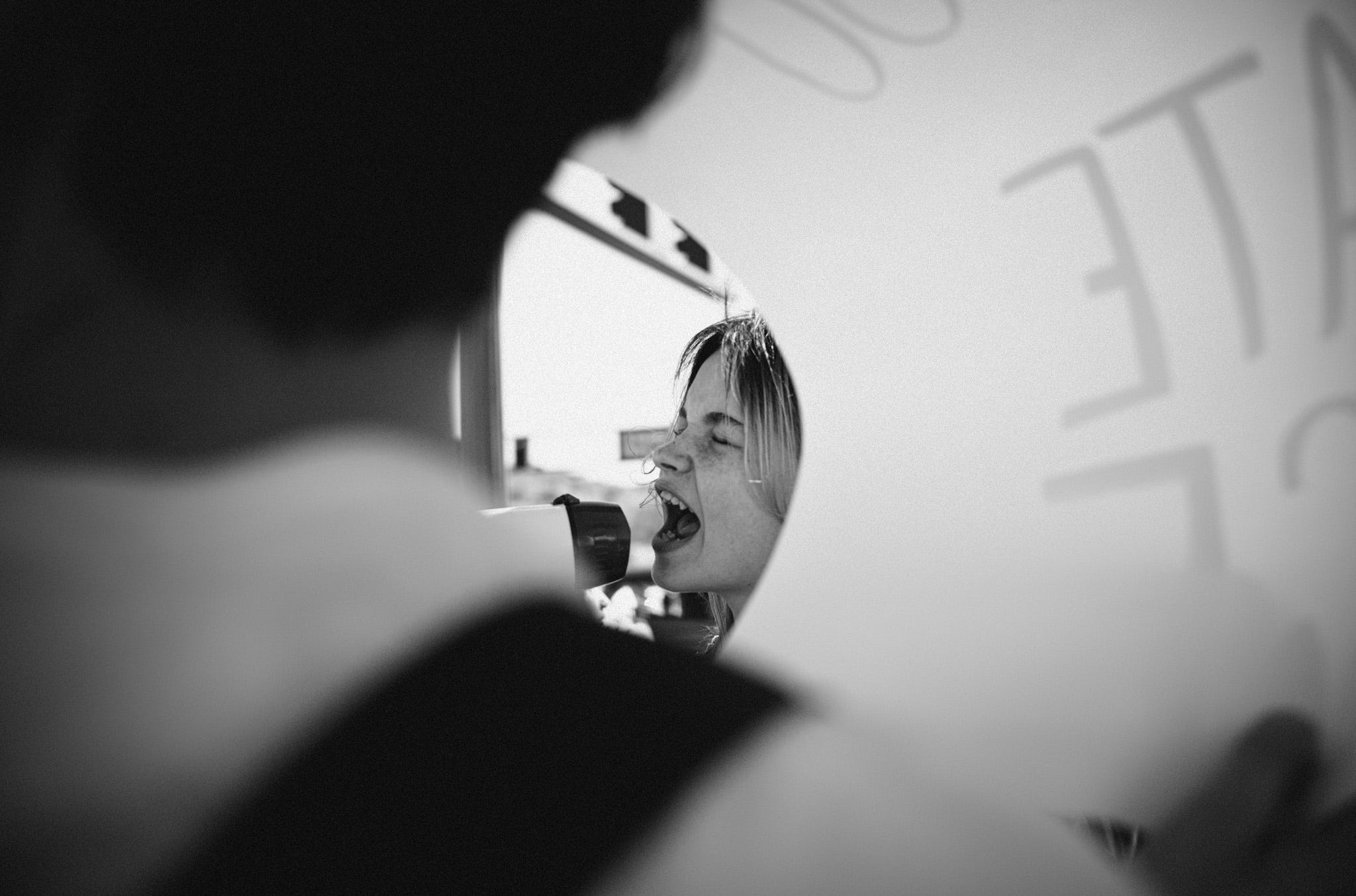
For me, I have found this love in the Leica M10 Monochrom. Of course, I know what many folks are going to say: it’s quite easy to love a Leica. But, the thing is, this has nothing to do with the price tag, nor the logo, nor the technical bits. Rather, for me it is about how the camera allows me to work.
Originally, I mainly chose Leica for one simple reason: their monochromatic sensors. For those less familiar, a monochrome sensor is a digital camera sensor that does not have the necessary filters on it to receive color data, and thus can’t produce images with anything but black, white. and grey tones. It is akin to shooting with black and white film: there is no option but to make monochromatic images. I had made the decision to omit color from my work, and was then ready to find a tool that not only did that well, but also constrained me to it.
For some, constraints feel like limitations, but for me they are often liberating. A monochromatic sensor frees my mind of clutter, allowing me to narrowly focus on just subject, light, and composition. I began photographing on the Leica Q2 Monochom first, but soon switched to the Leica M system, initially dabbling with the M Typ 246, and then the M10-M. The reason for the change from the Q to the M system was based on reputation: there is a long lineage of photographers who have used the M, and folks rave about photographing with a rangefinder.
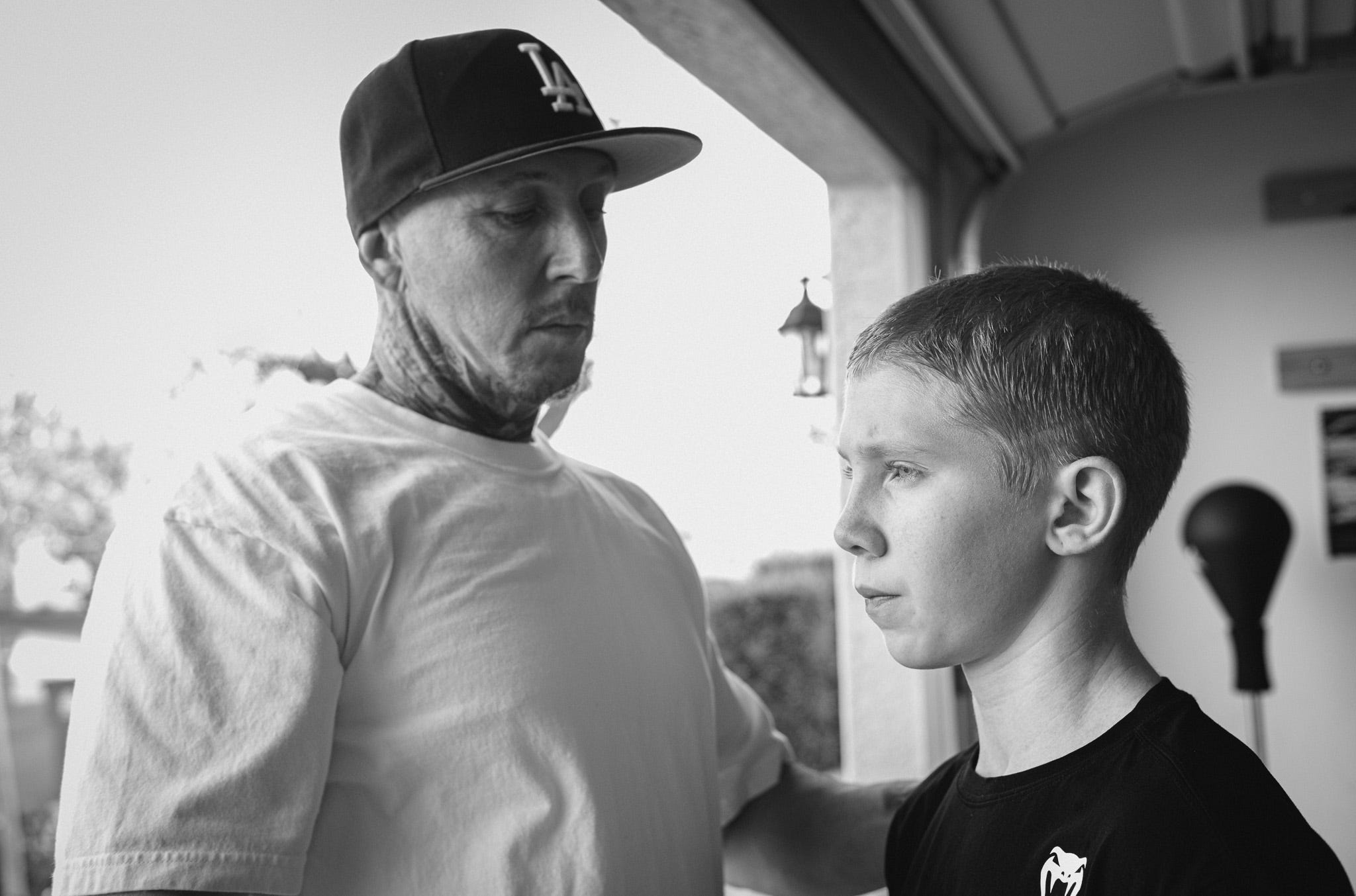
Again, for those with less familiarity, the Leica Q camera is essentially a large point-and-shoot. It has a fixed lens with every fancy setting that any other camera has, including autofocus. Making images with the Q is fun and relatively “easy”. The M, however is a rangefinder, which means you focus the camera using a small patch in the viewfinder to determine what is in focus. I liken it in my mind to the days when I did not know I needed prescription glasses: I had poor vision, and would squint to varying degrees in an attempt to gain focus at different depths of field. In this analogy, on the camera lens you turn the focus ring clockwise or counterclockwise to detmine the depth of focus, with the rangefinder patch in the viewfinder helping you to precisely see where critical focus will be.
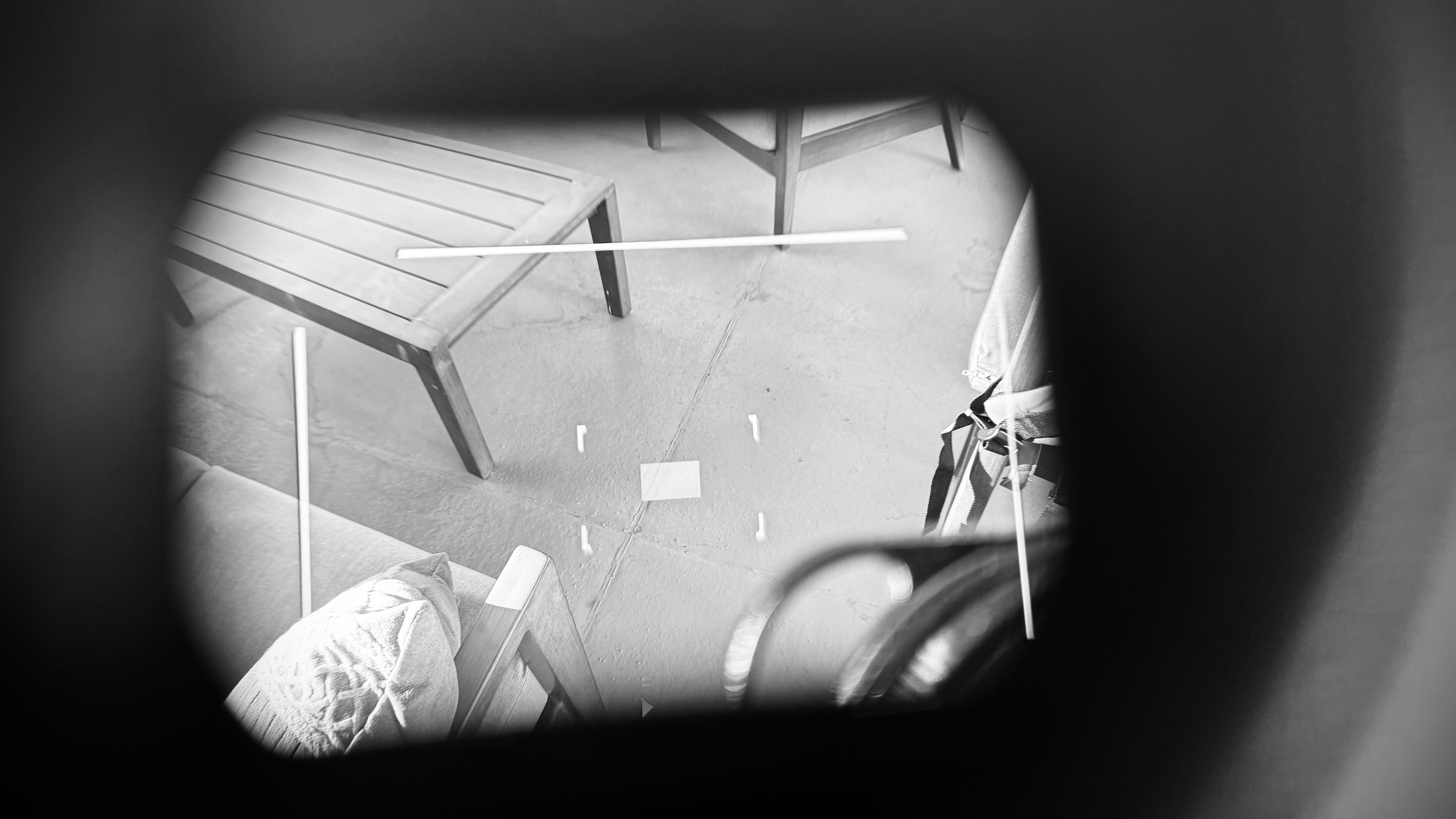
Thus, the M system has no autofocus. In fact, it has very few frills. For some, this might feel limiting, but for me, these constraints are liberating; I feel as though I truly have full control — control of exposure with fully manual aperture, shutter speed, and ISO, and control of focus with zone focusing and the rangefinder. Although I may not be as quick to nail focus as autofocusing software, it feels great to have full autonomoy over your photo-making process. In reality, I only feel “limited” by my own comfortability and competency.
Although I already realized these feelings some time ago, it was only recently when they were affirmed and cemented in my mind — that I am truly in love with the M system. Last week, I photographed my first (and last) engagement proposal. For context, I am not a “professional” photographer, as I do not use the camera as a source of income. Thus, I do not do weddings, egagements, proposals, professional headshots, or the likes. However, a very good friend and coworker of mine planned to propose to his girlfriend and asked if I’d be willing to photograph the event, and how could I not oblige that honor?
So, in the spirit of doing right by my friend, I thought it best to not use my M10-M. The reasons were two-fold: for starters, this was their moment, not mine. Thus, I wanted to be able to give them the option of color photographs, not just the black and white ones my M is limited to making. Additionally, because the moment was bound to be quick (she did not know I was going to be there, so I needed to capture the surpise on the first go), I wanted to have autofocus to ensure I did not miss focus in the moment. So, I was able to borrow a camera for the evening which fit these specifications: the Leica SL2.
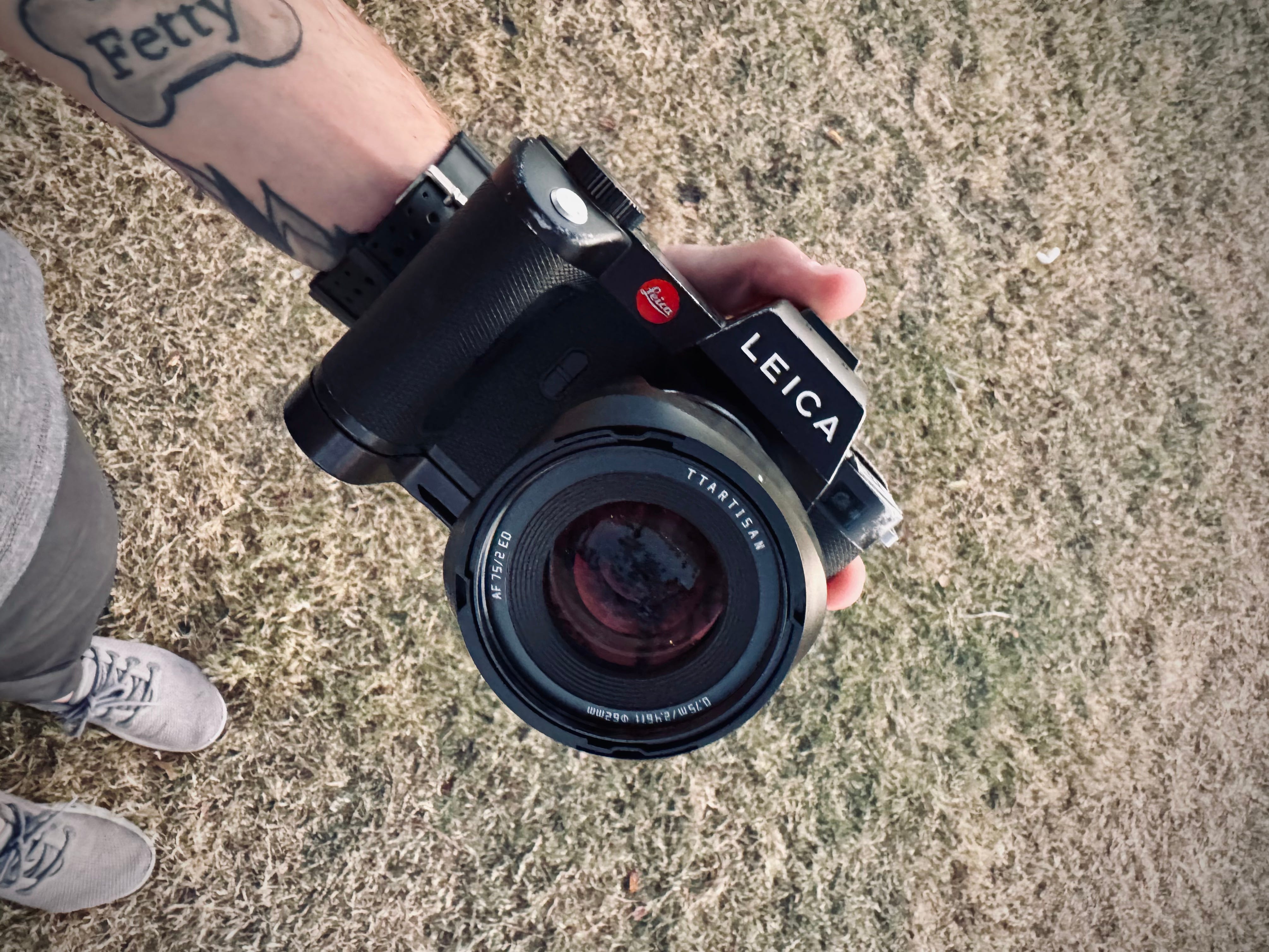
In hindsight, the decision was a good one. The camera is amazing, and the resulting photographs came out well. I did not miss focus, and they have both color and black and white options. The newly engaged couple are happy, and that is all that matters.
However, I have never felt more affirmed that the M system is for me and my work. In the moment, I missed having the rangefinder in my hands — I missed having full control, and the feeling of knowing exactly the photograph I am making. It is hard to explain, but it felt like driving someone else’s car or staying in someone else’s home. No matter how nice it is, it still feels foreign. And, in the case of the camera, the M system not only feels like home, but it feels like an extension of me.
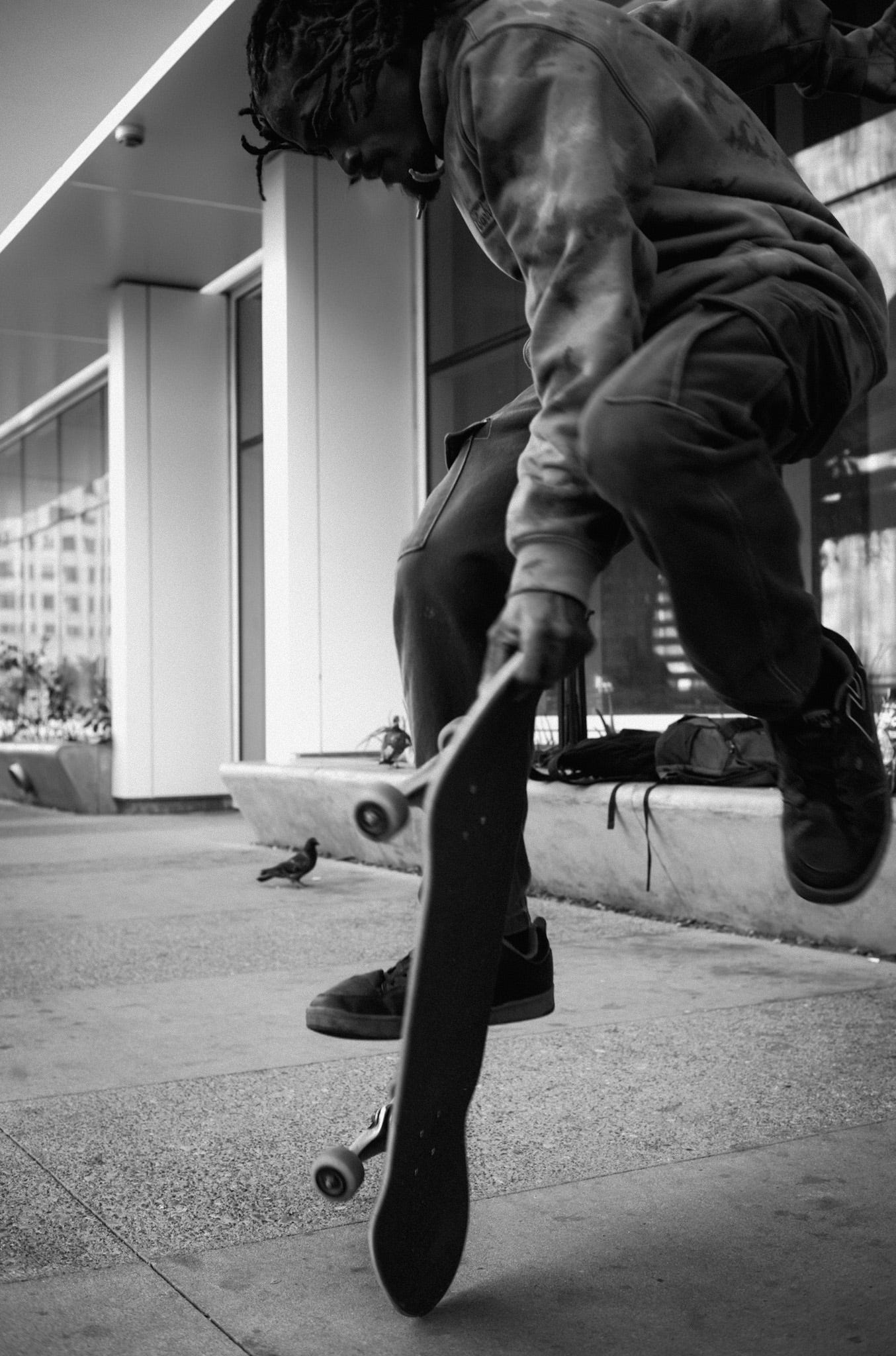
Maybe the M has become my trusty steed because of how I make photographs. Or, maybe I make photographs the way I do because of the M. Regardless, I can tell you that the way I want to craft my work is by being deliberate, intention, methodical, and precise. There are plenty of more “capable” cameras out there that possess greater precision by technical standards; it truly is hard to beat autofocus software these days, and plenty of other cameras have better burst modes and buffers that allow you to capture even the most fleeting moments. But the precision I am talking about is the kind that you, yourself can wield with fine motor control and well-developed anticipatory skills learned over time. That is the kind of control and intentionality that I love in my camera.
But, I am not here to wax poetic about Leica or their cameras (although I certainly could).
The Leica M is not for everyone in the same way 4x4 trucks are not, and neither are cast-iron skillets, nor dive watches transition sunglasses, top-of-the-line computers, or weightlifting shoes. We all have our needs as photographers, and these dictate what tools we prefer to use. In some instances, of course, we must use something beyond our preferences (like me using the SL2 because it was a better fit for me and given the task at hand).
But, should we have our choice, we all have our preferences. Although it may sound nice, the “best” camera on the market isn’t always better for us. Heck, there is now at least one generation newer than my current M Monochrom camera. However, I have no desire to upgrade.
That is because I have found that the “best” camera for me is the one I am in love with; the one that, no matter how the photographs actually turn out, make me feel as though I am making magic.
Ryan quick question. I have poor eyesight (near and far), Like binoculars, on Q’s EVF I can adjust clarity of focused point relative to my eyesight with a rotating knob. How do you handle that in M’s rangefinder? Do you need to wear eyeglasses or contacts while using the rangefinder?
Our experiences are similar and very different. Color, for me, is integral to my compositional choices. I started photography in the 70s and I’ve shot film rangefinders and SLRs as well as large format (8x10 contract prints are exquisite). Most of my film work was monochrome because I was processing and printing myself and I had little money. I went through a point and shoot period, both film and digital, that was all color. I’m now 100% digital and I have three camera types that I use depending on how I want to approach my session. I admit that my first choice is my Sony A7r with my Fuji X100 picking up most of the slack.
I’ve spent a lot of time with both and have a handle on how I like to use them. Do I love either camera? That’s hard to say. I find them effective tools and they each influence the way I approach what I’m shooting. I love the practice not necessarily the equipment.
For me the best camera is the one that is the most effective tool for whatever is in front of me. And sometimes that might be the one at hand.