
Confronting Your Own Work
Why preparing for critique may matter more than the critique itself
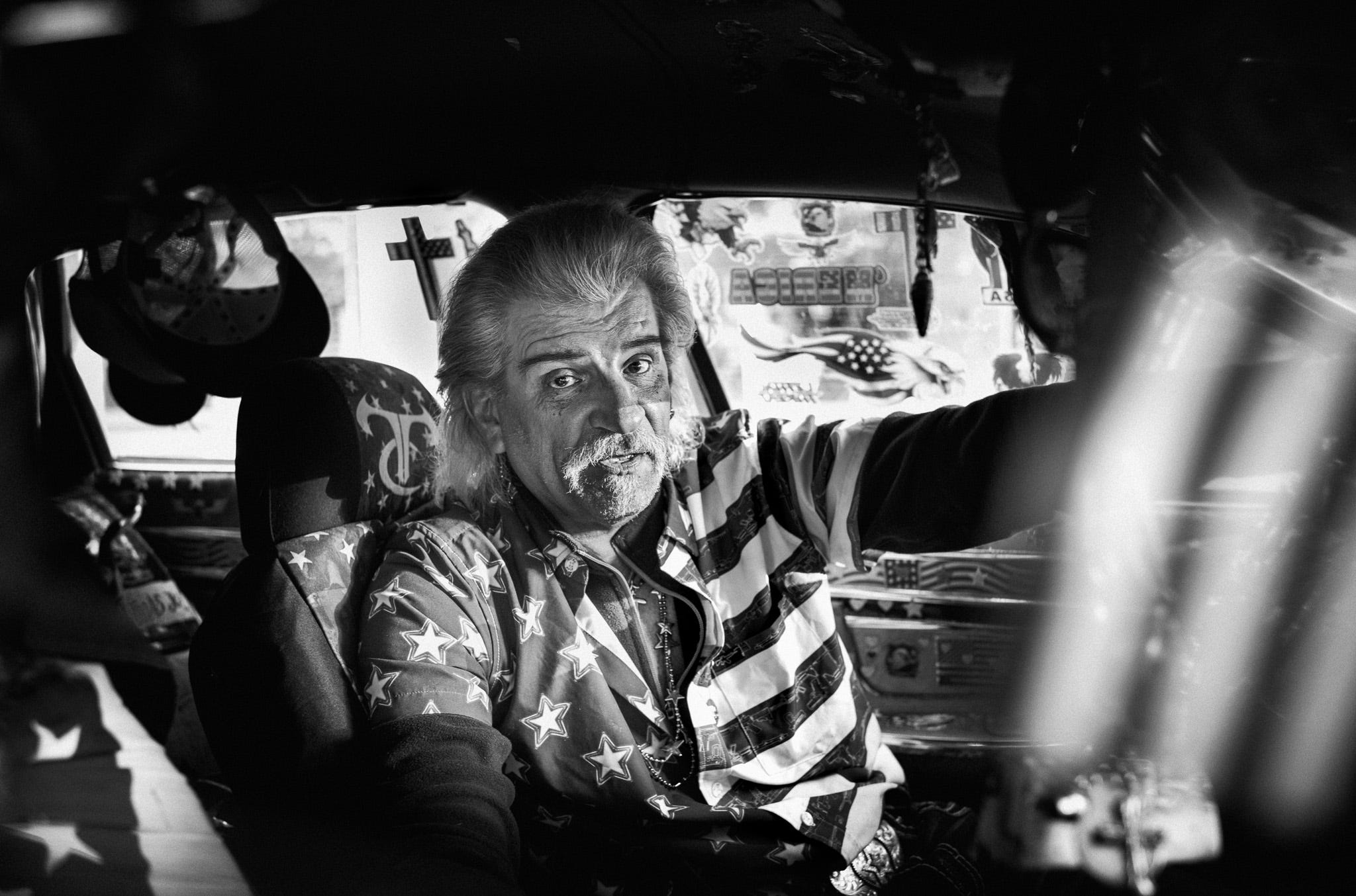
I used to think the value of a photo critique was the feedback itself.
But lately, I think the real impact can be found before anyone says a word.
In an era where images are taken, posted, consumed, and forgotten in an instant online, it is the preparation for a photo critique or project review that forces the kind of intentionality that is otherwise easy for us to avoid.
From image selection to printing and curating, to the presentation or stand-up itself, the entirety of the process forces us to take on a discipline that is sometimes forgotten in the process of developing our work.
Increasingly, I have found that the real growth doesn’t just come from the critique itself, but by way of confronting our own work before the feedback even arrives.
I. Selecting Images
The first step in most photo reviews is narrowing down to a select number of images for sharing. Personally, I participate in two different photo/portfolio review processes on a consistent basis.
The more frequent of the two occurs every six weeks as a share-out where each individual gets ten minutes to share their work in front of a group of peers (for the sake of simplicity, we will call this the peer-review going forward). For this, I typically choose 8-12 prints.
The other, less regular process is a portfolio review (we will refer to this as the expert review). Here, I spend an hour every 3-6 months with a gallerist who is attuned to my projects and gearing their feedback explicitly toward helping me develop my work within that context. Here, I am usually sending around 20 images digitally.
In either case, image selection is important. For the peer-review process, I am not necessarily focused on fielding specific feedback on singular images (although I gladly welcome it), but rather looking to gauge overall and general reaction to the entire selection of images. To that end, I am intentional about bringing photographs that represent my current level, focus, or vision with the camera.
For the expert review process, I am happy to take on general thoughts on the work, but I am very keen to hear specific feedback. This is an avenue for me to tighten the screws of my work — to be hyper-critical of the details, and to be pushed to make stronger images. With that in mind, I am intentional about selecting images that I either feel very strongly about (e.g. I love this image, but want to make sure I am not too close to it and am misjudging its strength), or that I am uncertain about (to help me gain clarity).
Ultimately, some of the greatest value comes from sifting through hundreds or thousands of images taken between reviews and deliberately deciding which ones are representative of our vision and mission with the camera, and those that we are willing to put out there into the world for direct, in-person feedback.
II. Printing Changes the Work
The expert review process in which I participate is virtual. However the peer-review critique is in-person, and thus requires that the images are printed.
What I have learned first-hand is that printing is a must for me. For starters, if my goals revolve around getting my work onto walls and pages, then I need to know that the photographs I make can hold up when they are realized in the real world.
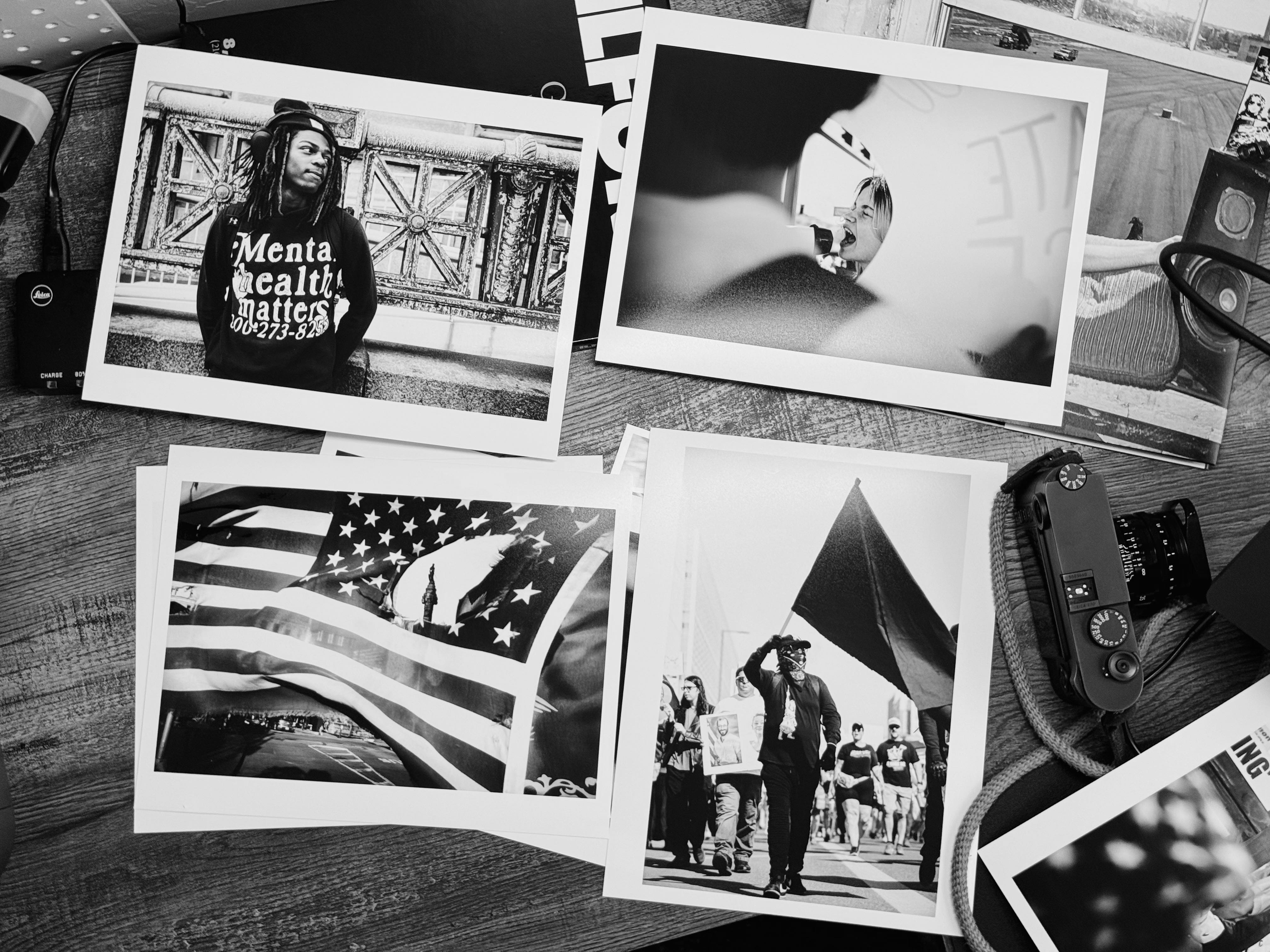
Moreover, printing to me feels like the competition or match in sport. You can train all you want, but until you get out onto the field, pitch, or court against an opponent and the elements, you don’t actually know how well your training is working. The competition is the ultimate test.
Printing is reminiscent of this concept for me. An image can look great on the screen, but not until it is printed in ink and sitting before you in the light (rather than backlit on a screen), it is hard to truly know its caliber. Printing removes the layer of forgiveness that a phone or computer screen offers.
The photograph must hold attention, not just survive a passing scroll.
I had no idea what I was doing when I first began printing at home. Paper, ink, ICC profiles, screen calibration, adjustment layers, media types…
I just figured, what could be so hard about this? and simply hit print. After many pure black and white photographs entered up on paper in various shades of brown, purple, and cream, I finally decided to learn about printing.
And in that process, I also learned about making photographs with the intention of printing them. And, maybe most important of all, I learned to let go of photographs that don’t hold up on the page.
III. Curating
In prior posts, I have talked about how I have found social media to be a productive avenue for practicing curation. Rather than dumping my favorite photos or a handful of images in any order, I have learned to be more intentional with how I sequence the images online.

Preparing for photo reviews has taken this process to a whole new level. Whereas on social media, viewers typically only see one or two images at a time, when images are printed and presented on a table or wall, they can all be viewed in one large context. An image on the screen is isolated and detached. Photographs on the wall are brought into conversation with one another, begging the question of whether they truly belong together.
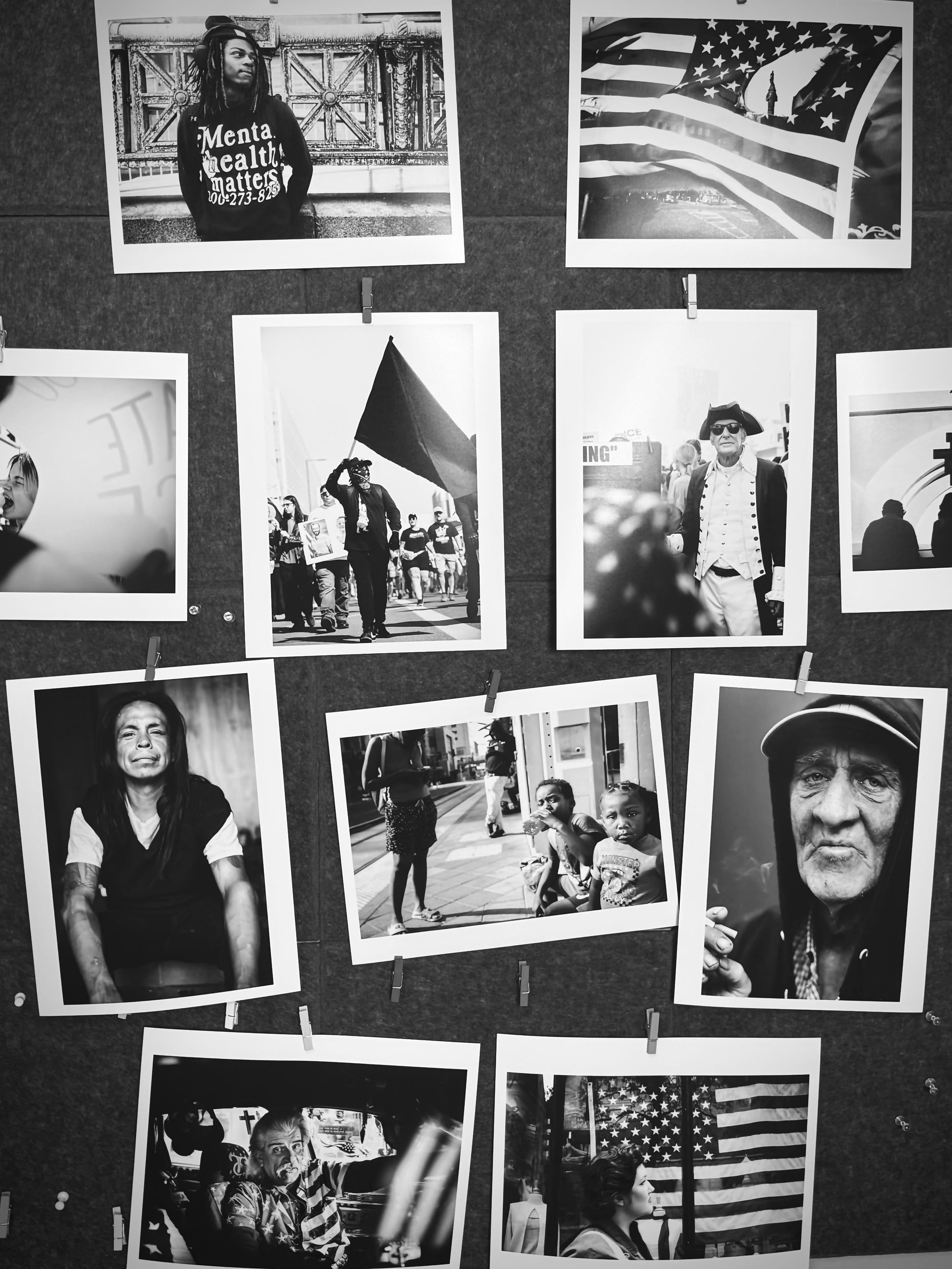
This has led me to begin thinking through why gallerists, curators, and bookmakers organize works the way they do. And in turn, I am more interested in drilling down even harder into the sequencing of my own.
When we take the time to deliberately choose how we want to present our work, we can then truly learn from the responses and reactions we get from those who view it. In this way, the curation process doesn’t end when the images are sequenced — it extends all the way through the entirety of the review process.
IV. The Feedback
Reliable and unbiased feedback is critical for gaining clarity around our work. Not simply about the images themselves, but about all that we are trying to say with them.
Oftentimes, some of the strongest feedback isn’t just what is said, but the overall direction of the discussion. For example, what I have learned about my own work is that the strongest signal is the line of inquiry I get:
Did you talk to that person?
Who are they — they must have a story?
Tell me more about this person.
Meanwhile, the images that are often categorized as weaker tend to be less connected to the human on the other side of the lens. For example, a recent image that I presented in a peer review was called anonymous because there was no connection to the individual. Although it was a candid photograph (not a portrait), I actually appreciate the sentiment quite a bit. Because, even in some of my candids, there is the feeling of connection, even if I have never spoken with the person.
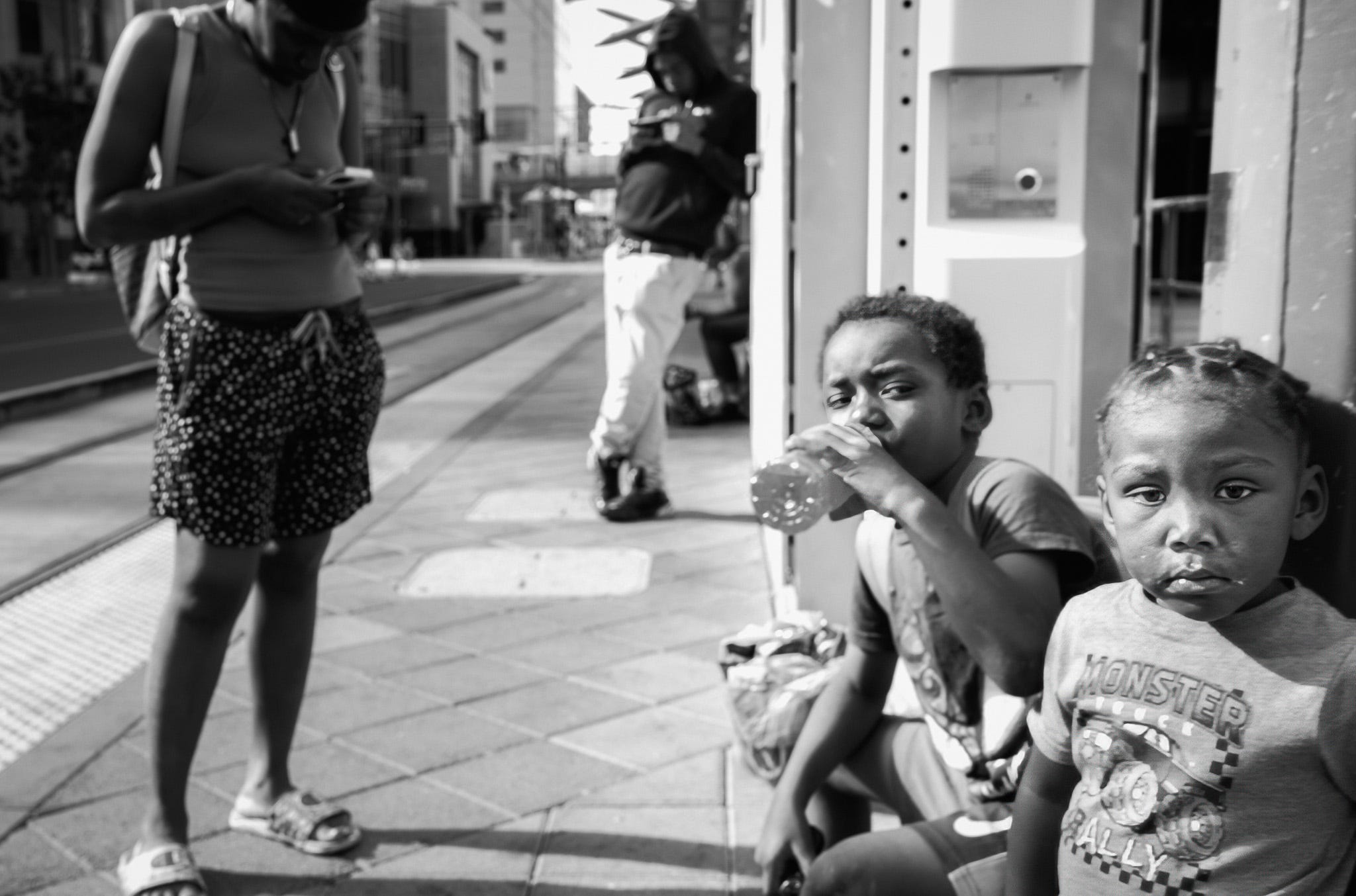
We can’t take all feedback as gospel, nor can we react and adjust our work to every suggestion we get. However, with enough consistent reviewing, we can learn to decipher the signal from the noise, and identify what sentiments are worth moving forward with, and which ones are better left behind.
V. Presenting and Defending the Work
If I am to be honest, this is where the bulk of the value resides for me. I don’t think it is a stretch to say that most emerging or developing photographers (that is, those who don’t need to produce work for a client, nor are at a level where their images are lining many walls or bookpages), share the majority of their work on the internet.
And in these scenarios, there isn’t much friction, is there? For the most part, we simply have to wrestle with the voices in our own head. Rarely, if ever, are we forced to present or defend our own work to others.
Posting an image online merely asks us to hit upload. Standing up alongside our printed work requires intention, vulnerability, and the possibility of the work not landing the way we had hoped.
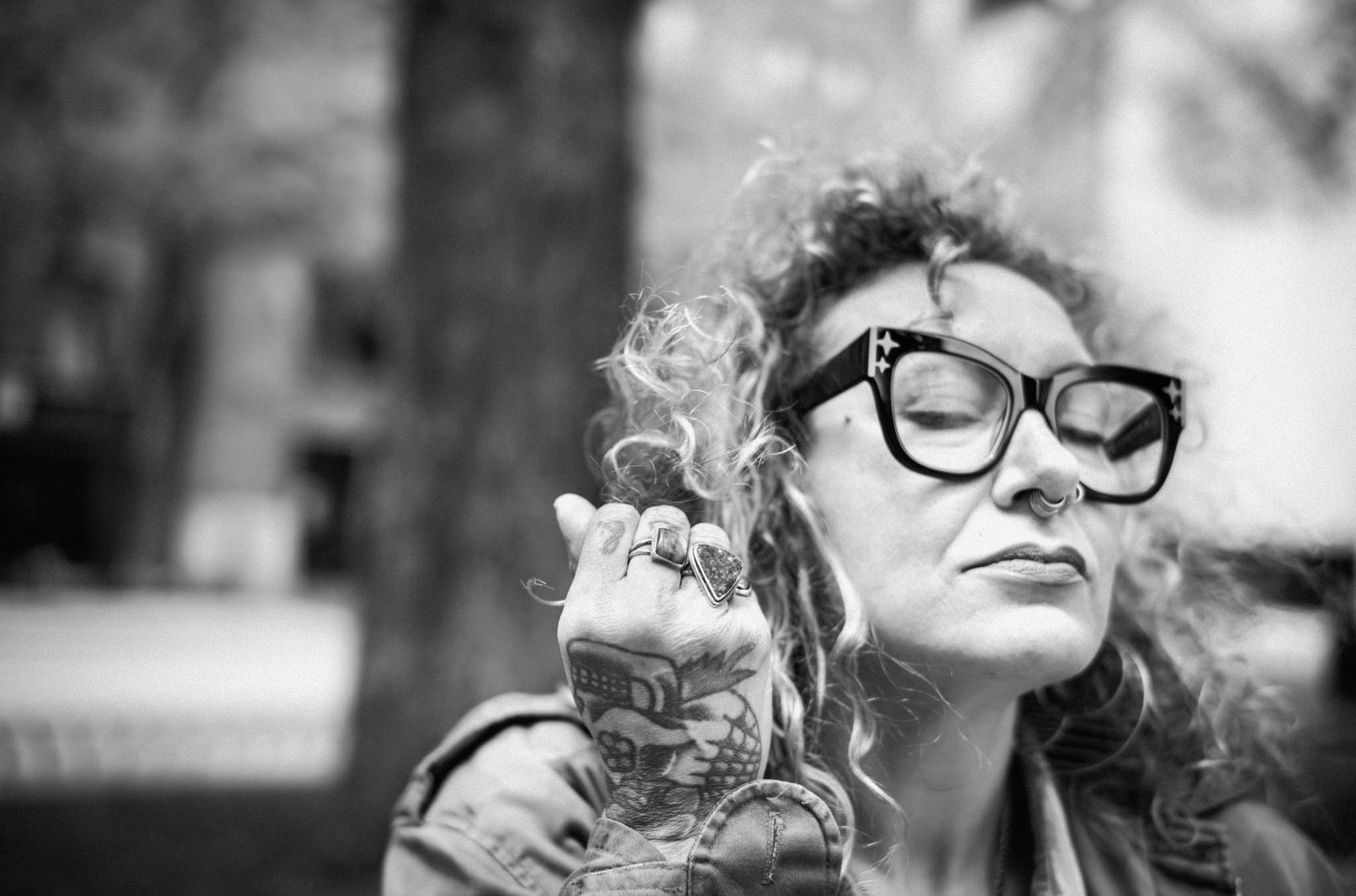
This serves as an invaluable lesson for us about our own work. A process for pausing and reflecting on why we picked up the camera in the first place; why we traveled to a place or set out on a project; why we pressed the shutter button or chose an image. And even though we are presenting this to others, in a way it is its own form of self-interrogation.
In fact, during my most recent peer review, I was asked why I chose 2028 as my projected end-date for my American Dream work. Though I have discussed the project in reviews prior, this was the first time I had to walk through out loud the purpose of my timeline. The rep was invaluable for me, because (if all goes according to plan) at some stage I will likely need to pitch the project to a curator somewhere and justify that timeline.
Ultimately, as artists or creators, we are only required to put stock into our own thoughts and desires. However, the wider we hope to circulate our work, the more we should, in fact, consider the guidance, feedback, and direction of others. However, to best do this, we first must truly have a firm grasp of our work, its aim and position, and our own intentions. Photo review processes are an effective tool for pushing us to reflect and consider our work and aims in order to communicate it to others.
Rather than chasing likes or approval, we instead are seeking clarity — not just in the work itself, but in our understanding of how we make it.
And, over time, these critiques and reviews begin to compound: they stop being about individual comments and instead become about pattern recognition, as certain questions and reactions repeat despite changing sets of images.
We work to decide what we wish to share with the world, learn how others respond to it, and then return to making photographs that push us closer to the signal that emerges. And in that process, we get to discover not just which images resonate, but what our work may have been striving to say all along.