
Getting to Know Light: 3 Lessons That Changed My Photography
How learning to see, manipulate, and control light has impacted my work
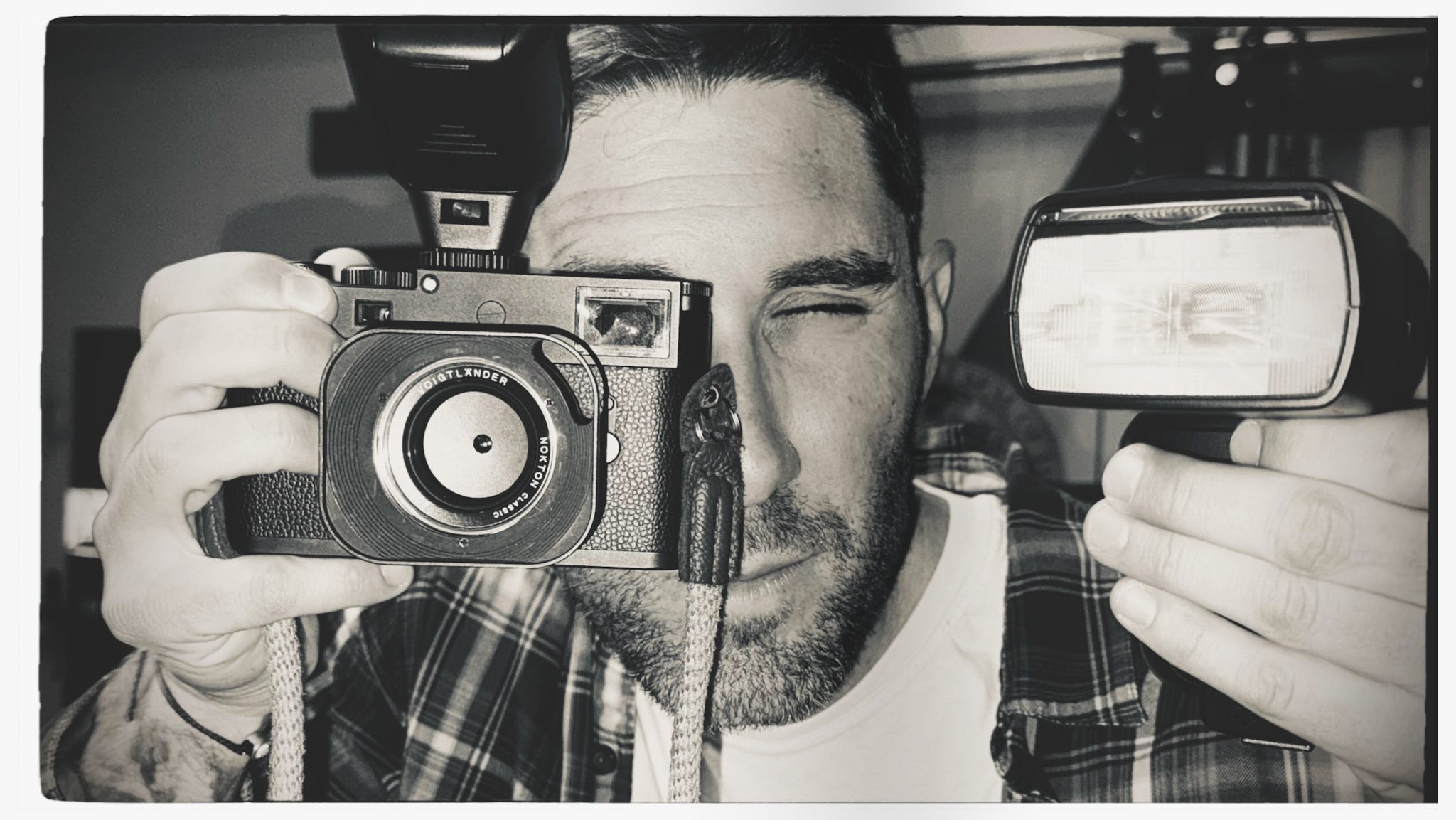
We hear some variation on the same theme all the time: photography is light.
“Light makes photography. Embrace light. Admire it. Love it. But above all, know light. Know it for all you are worth, and you will know the key to photography.” — George Eastman
In the practical sense, photography would have been impossible decades ago in the days of analog. Light would interact with the medium, like film, through a chemical process where photons strike the emulsion. Without exposure to light, there was no photograph.
These days, in the time of digital photography however, light isn’t technically necessary. Digital cameras today can darn-near see in the dark, and post-processing software can further extend our ability to correct for under exposure.
But light isn’t just critical for developing a photograph. It is also vital for influencing the aesthetic impact of an image.
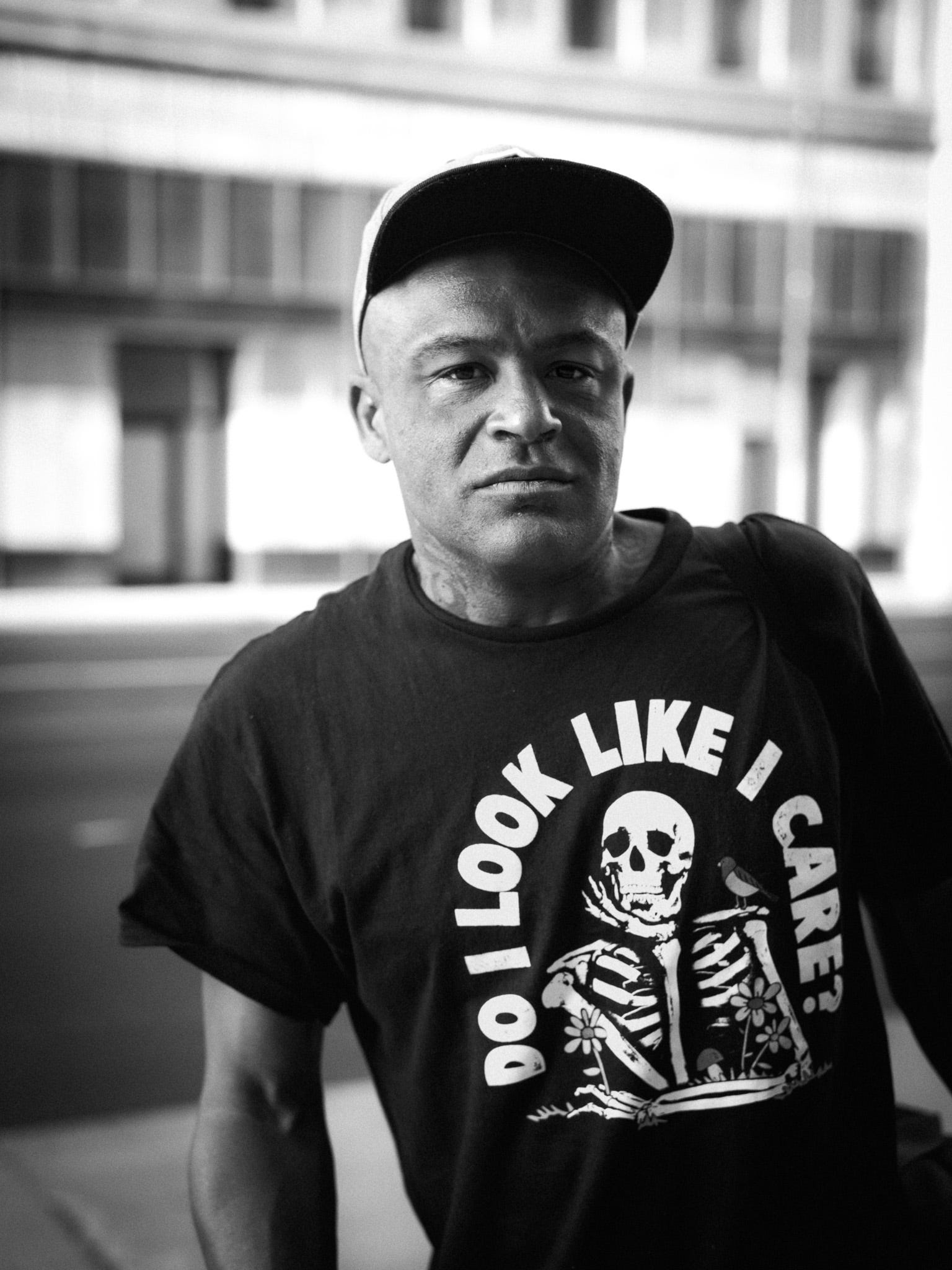
How the light hits the subject or landscape before the camera lens has everything to do with how we perceive the image, the story it conveys, the emotion it evokes. This is what George Eastman is getting at when he says, “Know [light] for all you are worth, and you will know the key to photography.”
Yet again, knowing light, as George Eastman so aptly puts it, is not a necessity for photographing today. Anyone can pick up a camera and begin to make images without knowing much about the impact of light on a scene, nor do they even need to control for exposure given the various automatic modes that come with the cameras of today.
Although I made it a priority to learn the exposure triangle right from the jump when I first picked up a camera — shooting it in full manual exposure from day one — this only taught me the technical bits of exposure, not necessarily about using light itself in a way that Eastman infers.
Ultimately, I began my photographic journey as a self-taught street photographer, walking through downtowns and city outskirts at all hours of the day, simply taking whatever natural light the world provided me. Though this undoubtedly helped me become the photographer I am today, over time I realized that, to do the work I wanted to — to express my artistic, storytelling visions to the level I hoped to one day — I needed to truly get to know light.
I am still building out that relationship — getting to truly know light “for all that I am worth”, as Eastman puts it. However, the progress I have made has already been invaluable, so I thought I would share it with others.
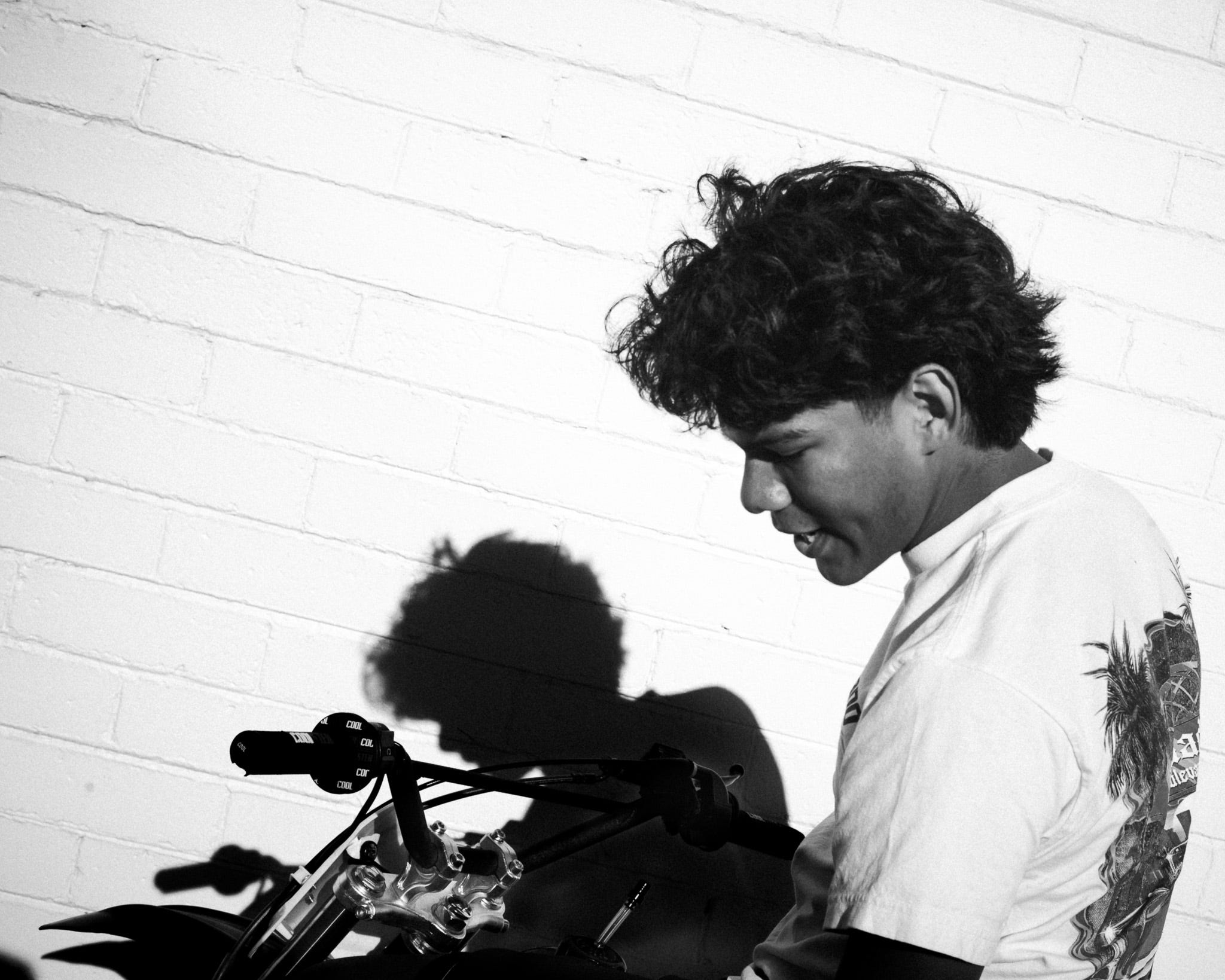
Below are three ways that I have deepened my understanding of how to see, control, and use light.
I. Studying Light By the Books
If you have been following along on my photographic journey at all, you will know just how much of a porponent I am for getting the reps without the reps. Meaning, using time away from the camera that can help us get better with it. For me, this in part involves a whole lot of reading: books on different genres of photography, books on specific photographers, books on cameras, books on light. Some are descriptive or contextural, others more technical.

When it came time for me to learn about light more formally, books are where I started. Trust me, I know that there is no replacement for actually getting out in the field, seeing the light, and responding with the camera. However, as a self-taught photographer, I also know that we don’t know what we don’t know. So, sometimes it is beneficial to put our student hats on and do the reading.
More than anything, what reading about a topic (like lighting) can do — especially in a technical sense — is help us define a framework or mental model from which we can build off. For example, reading Terry Barrett’s Criticizing Photographs early on in my study of photobooks helped me build a mental model for how I would interpret images and works as a whole (e.g. interpretations that are comparative, phsychoanalytical, semiotic, or technical).
In the case of light, a few books in particular helped me build a mental model that molded what I already understood on a more qualitative basis (thanks to a handful of years photographing on the streets):
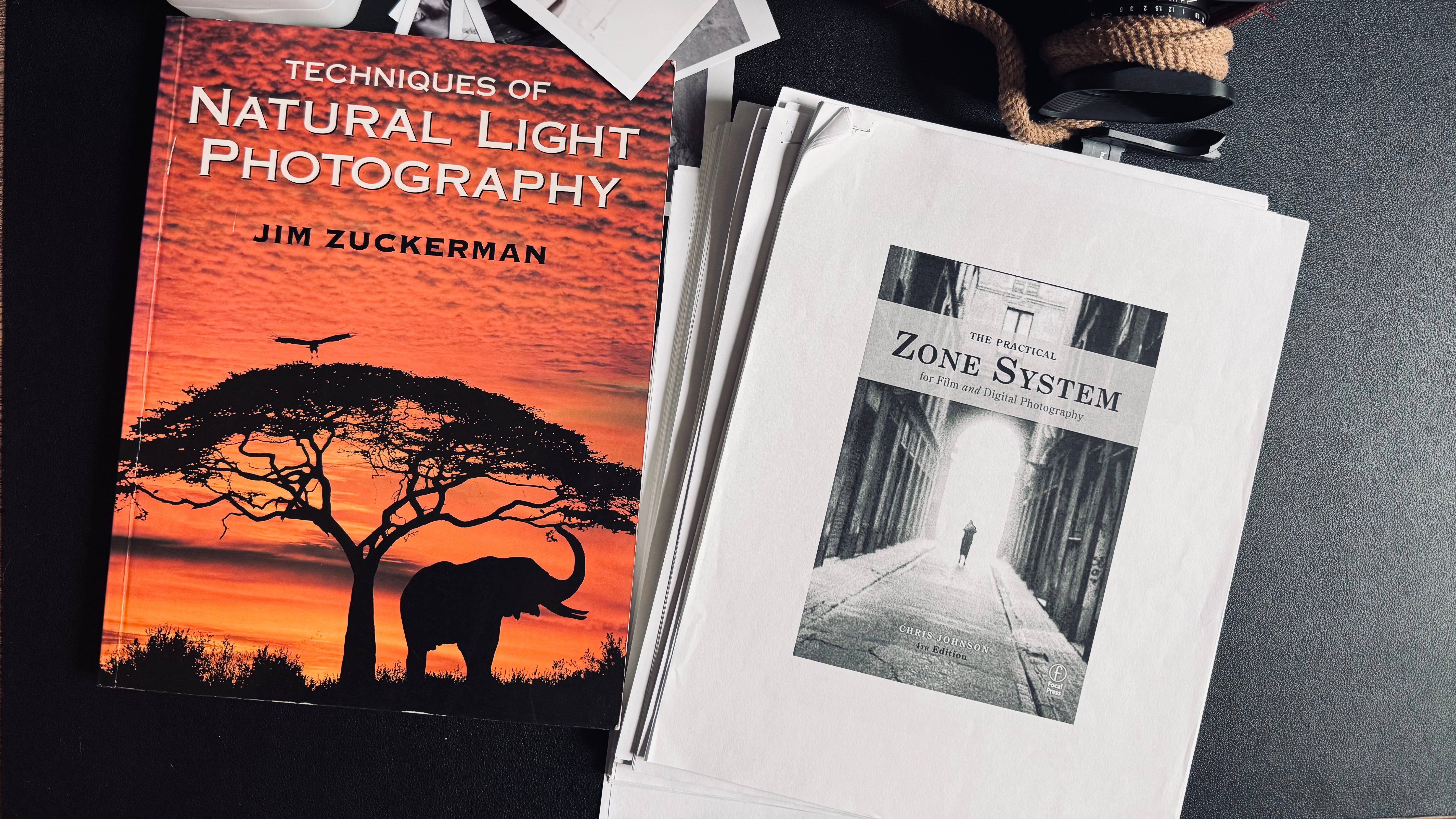
First, there was Jim Zuckerman’s Techniques of Natural Light Photograph. I started here because it felt most applicable to what I was already doing as a street photographer: photograping in natural light. There is a lot to take from this book, but what I personally appreciated the most was how Zuckerman structured the book, with each section being based on a time of day: dawn, early morning, mid-morning, early afternoon, etc. For me, this then became an applicable mental model for how I could approach each photowalk in terms of strategies to make best use of the light depending on the time of day.
Then there was The Zone System, by Chris Johnson, which is a more traditional textbook teaching and expanding upon Ansel Adams’ zone system. Although I shoot purely digitial photographs, thinking about the best way to expose for a scene in camera, film or otherwise (and how images can be touched up in the dark room in post) was immensely helpful and truly expanded the way I considered the exposure settings on the camera. It helped me define tones of black, grey, and white (which was critical for me as someone who photographs with a monochromatic sensor — the digital equivalent of shooting black and white film), and it pushed me even further toward trying to nail the image in camera and rely less on post-processing.
These two books are just a couple that have made their impact on me. The lesson here for me is less about what we read, but rather that we read in general.
II. Portraiture and Self-Portraiture
Early on as a street photographer, I never thought I would want to take portraits, let alone learn about artificial lighting. However, the more time I spent out there roaming the streets, the more I began to realize that the story (to me) was found in the people around me, and thus, street portraiture has become a large part of what I do.
A substantial motivator for me to better get to know light was, in fact, that I wanted to improve my street portraiture. I wanted to understand how I could better position somebody given the natural light that the environment gives me in the moment. Yet, what took me a while to understand was this: there is an awful lot to learn about natural light from using artifical lighting sources — both directly and indirectly.
In the direct applicaiton sense, using studio lighting is a quick and easy way to better understand what changing the positioning of a subject does in relation to a light source; distance, directionality, and intensity of light can all be efficiently learned by simply moving the light source or the subject (something we can’t do with the sun out on the streets). And, we can also learn what even just a single small artifical light source can do to impact a photograph that relies predominantly on natural light out in the field. For example, a small off-camera flash for filling the subject a bit with light.
There are other indirect lesson that can be learned from experimenting with studio lighting. For instance, learning how diffused versus non-diffused light interacts with a subject helps us learn the difference between harsh mid-day lighting versus overcast light. Or, learning how using v-flats or reflectors can add or subtract light to a subject, which can be applied out in the field by bouncing light off of objects around a subject or scene (e.g. photographing a subject near a white wall versus a black wall).
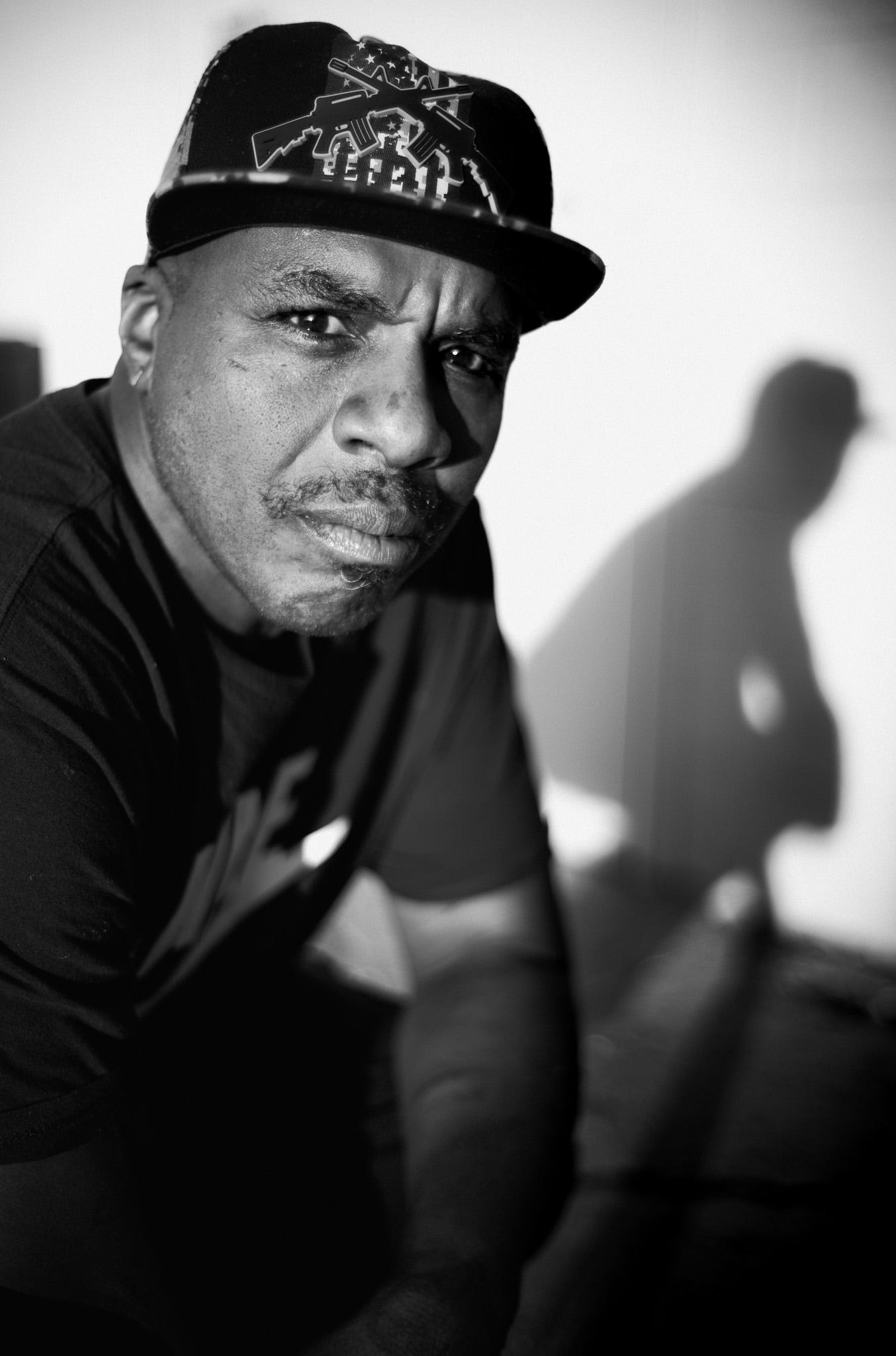
Don’t have a model or studio? Well, no need to let this stop you. Recently, I decided to take what I learned from an informal portraiture workship with a good friend of mine and apply it to a self-portrait that I took in my garage. With a bed sheet as my backdrop, one off-camera speed light and tripod, a doggy car-ramp, and some car windshield sun reflectors propped up on a workout bench, I was able to get a self-portrait that I was relatively content with considering the circumstances.


III. Photograph in a Garage
Speaking of garages, I have come to find them supremely helpful for getting to know light better. Let me explain…
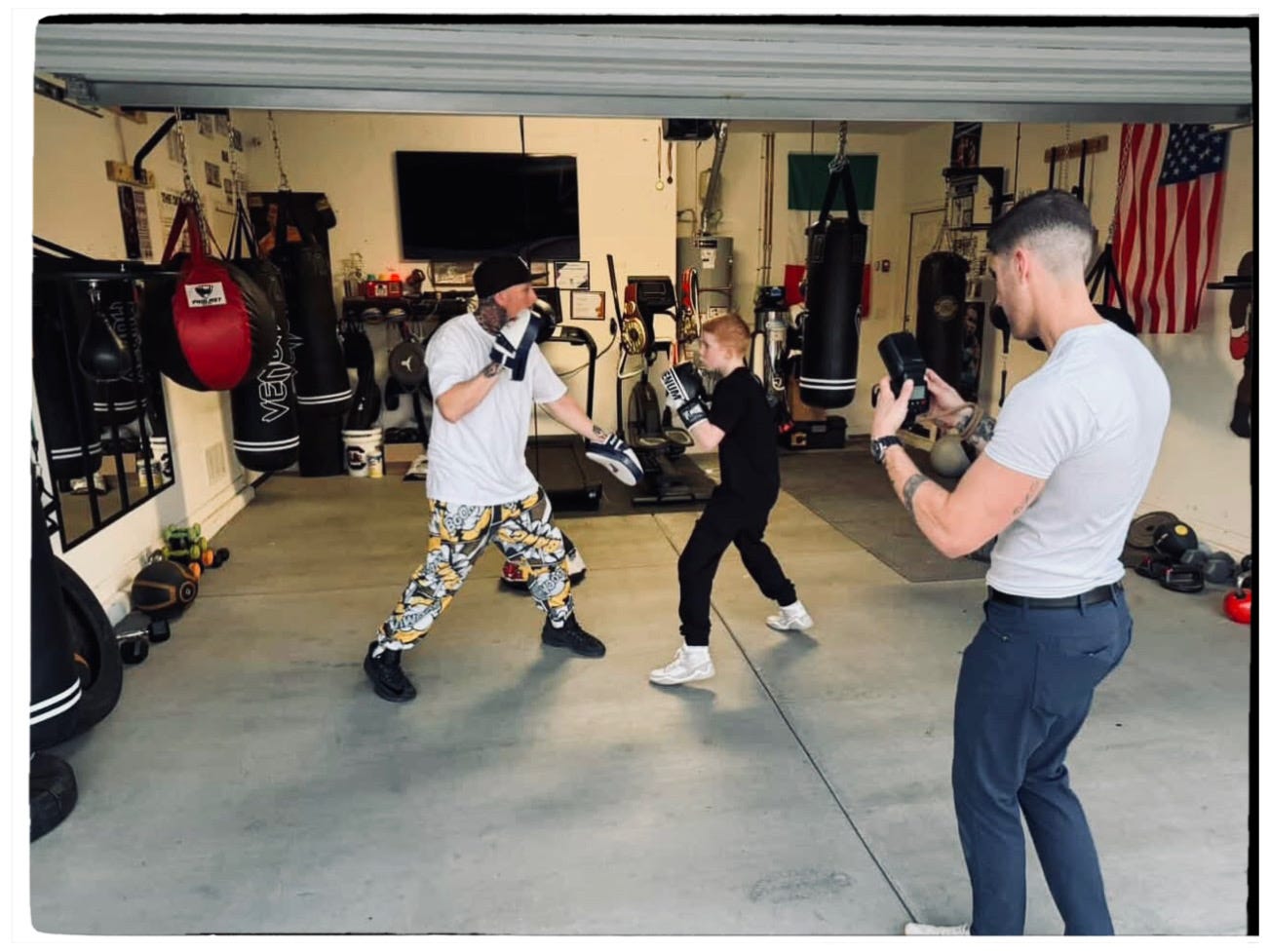
The current porject that I am working on involves photographing a group of boxers that train out of a garage gym in my neighborhood.

And, much like street photography, I have little control over the circumstances: they train a few times per week in the mid-to-late evenings, so what I get for light is what I have to work with. The garage faces the east, leading us to lose light very quickly as the sessions go on.
At first, I photographed the boxers like I would on the street. Just me and my camera, using whatever I had for light. But, what I was quickly finding is that this was constraining — as the light faded, I was forced to shoot with either a high-ISO, a low shutter speed, or with a wide open aperture (or all three).
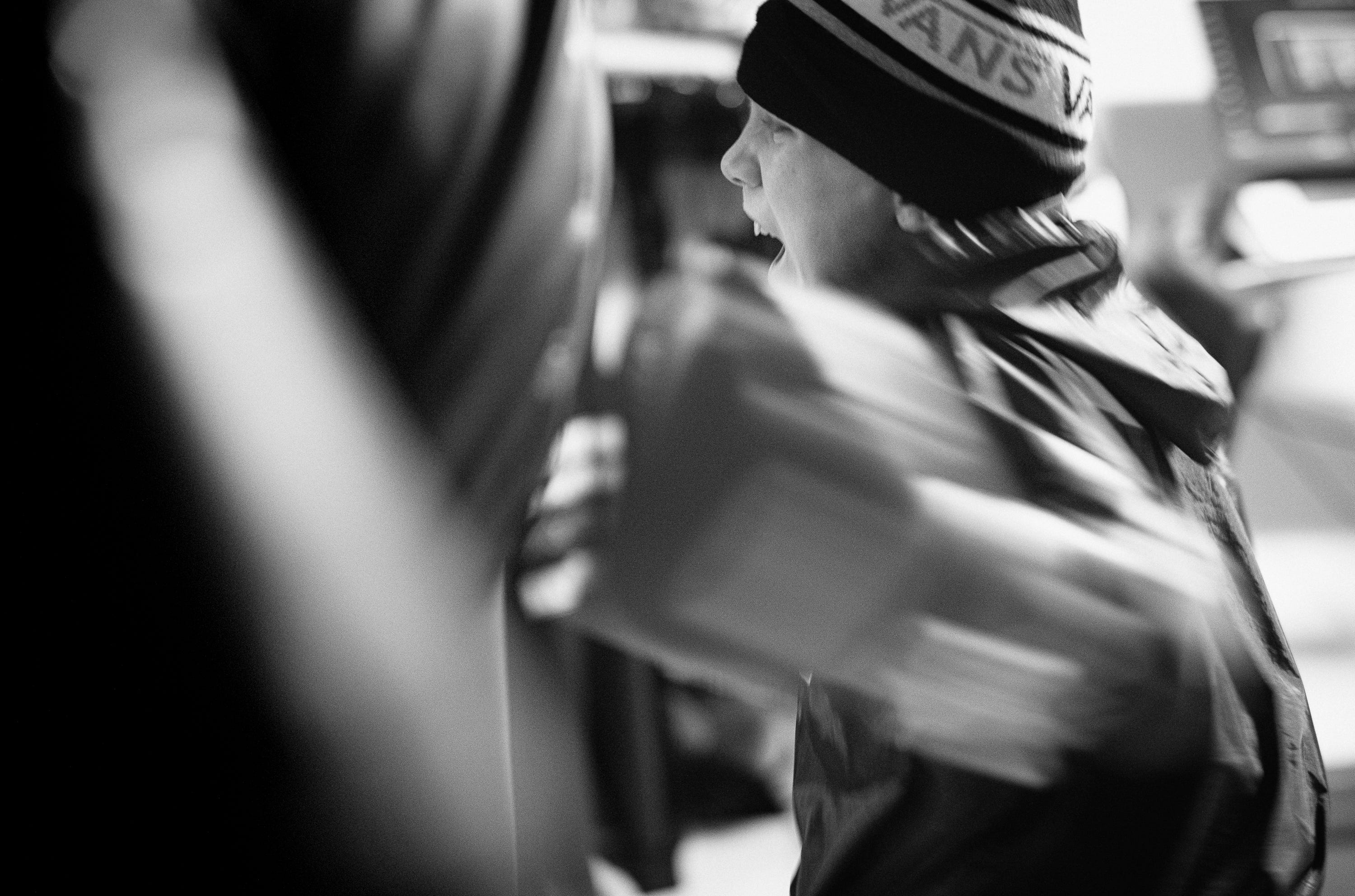
Although I think I made a few interesting images this way, it was still a limitation to my creative vision for the project — a limitation that I did not need to live with. So, I started to bring my speed light with me.
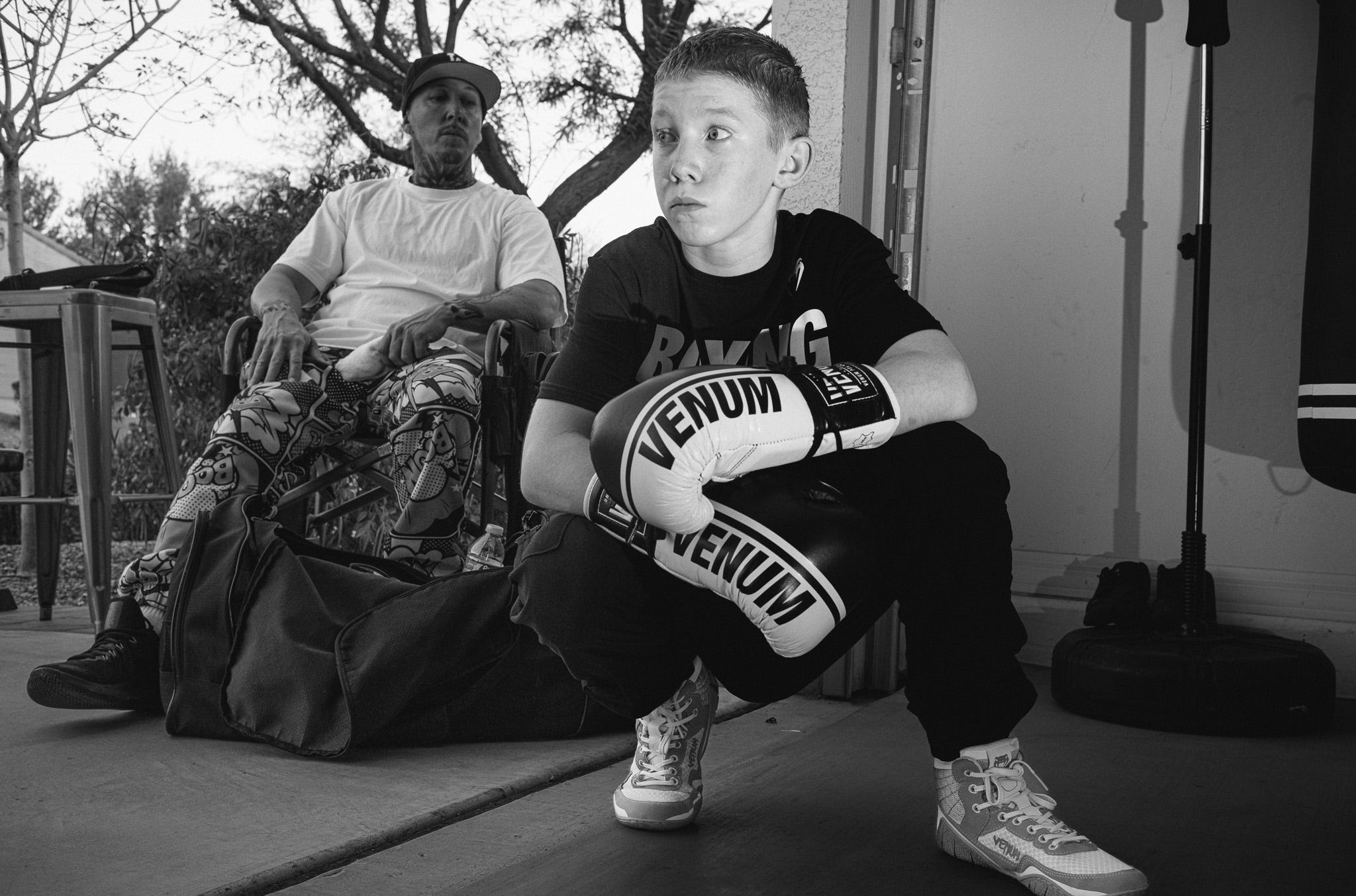
Over time, shooting in that same location — the garage — has helped me get to know light better. For example, earlier in the sessions, the east-facing garage provides a ton of beautiful contrast when shooting from the inside looking out, or at a slight angle looking inward. Straight on, we get some strong backlit shots, but at an angle, we get dramatic, yet soft light wrapping around the subjects. The east-facing garage acts like a large window in a portrait studio, diffusing the light as it spills in.
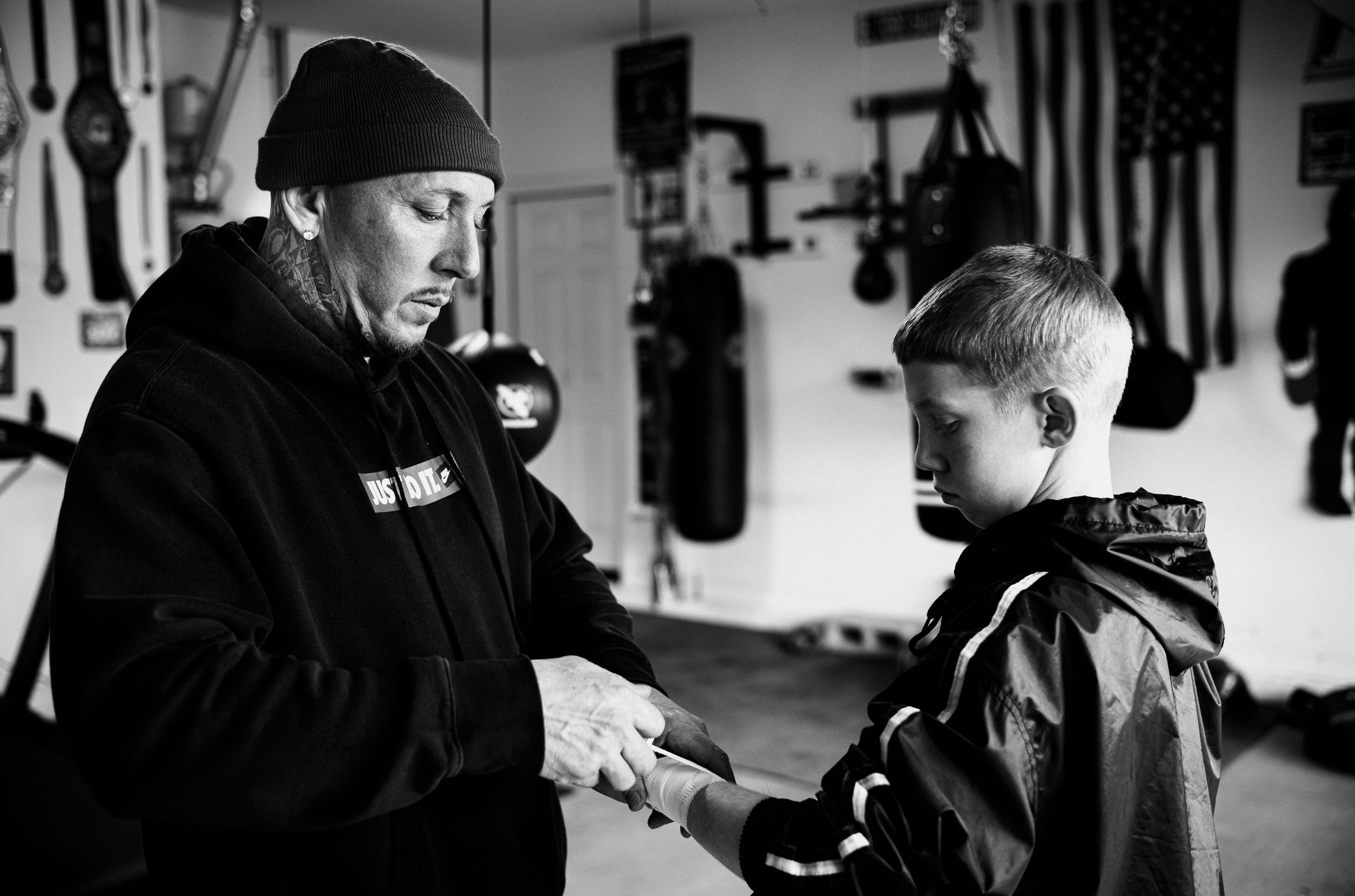
Then, as the sun continues to set, an artificial light can be used to either bounce light off of the walls and ceiling, or to pop light right onto the subject to create striking separation between fore- and background. In essence, the gararge has become a make-shift studio for me for environmental portraits, allowing me to experiment with and manipulate light while still out in the field
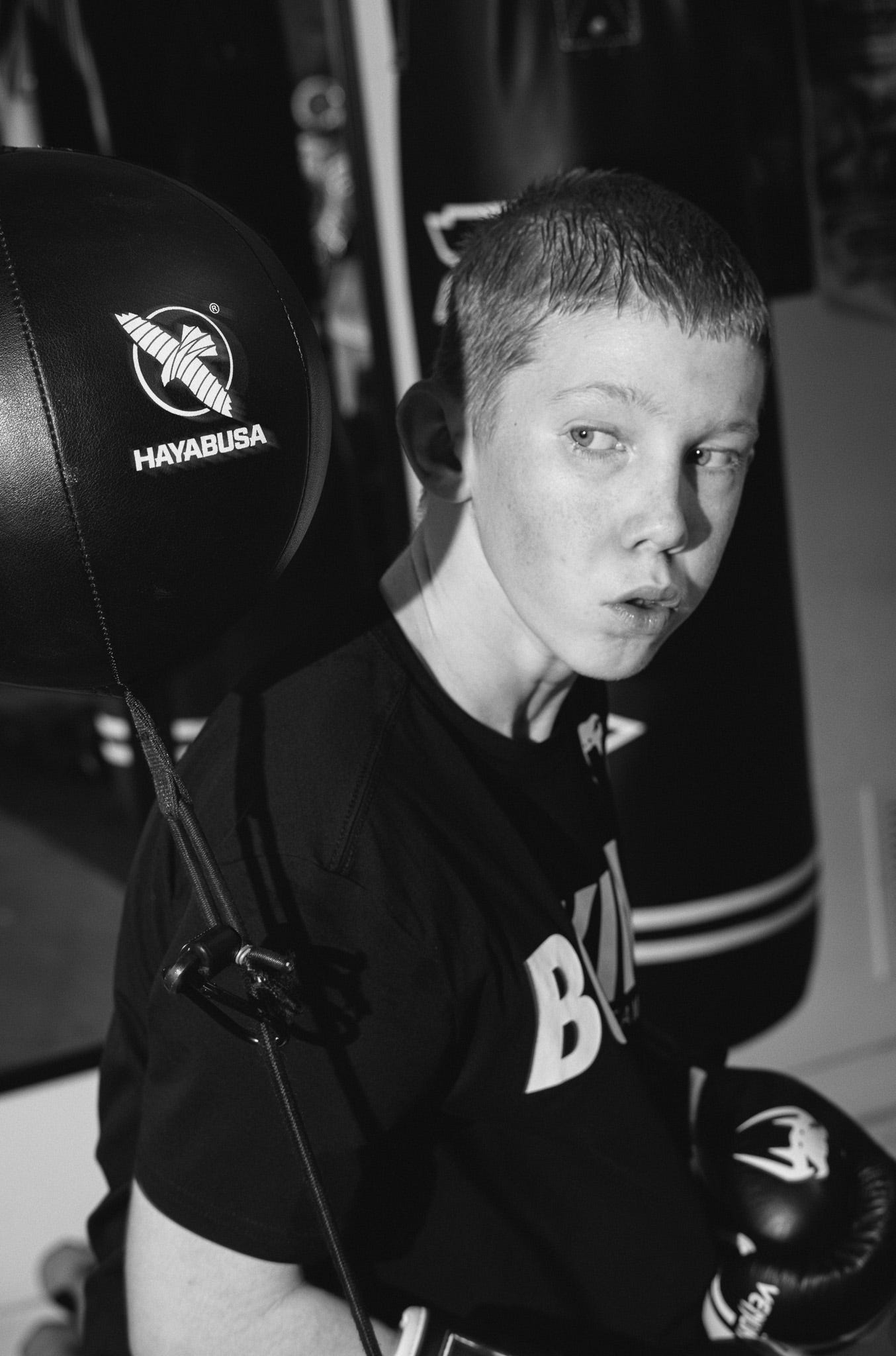
Ultimately, if there is anything to take away from this piece, I hope it is this: whether you are getting to know light, or simply trying to learn anything about your camera and photography otherwise, the tried and true methods of self-education hold firm here: with study and practical application, you can learn to do just about anything with the camera yourself.