
Why I Am Choosing 35mm
I gave 50 a go, and I tried to love the 40, but all roads lead back to 35mm
I promise, I really did try. I tried hard.
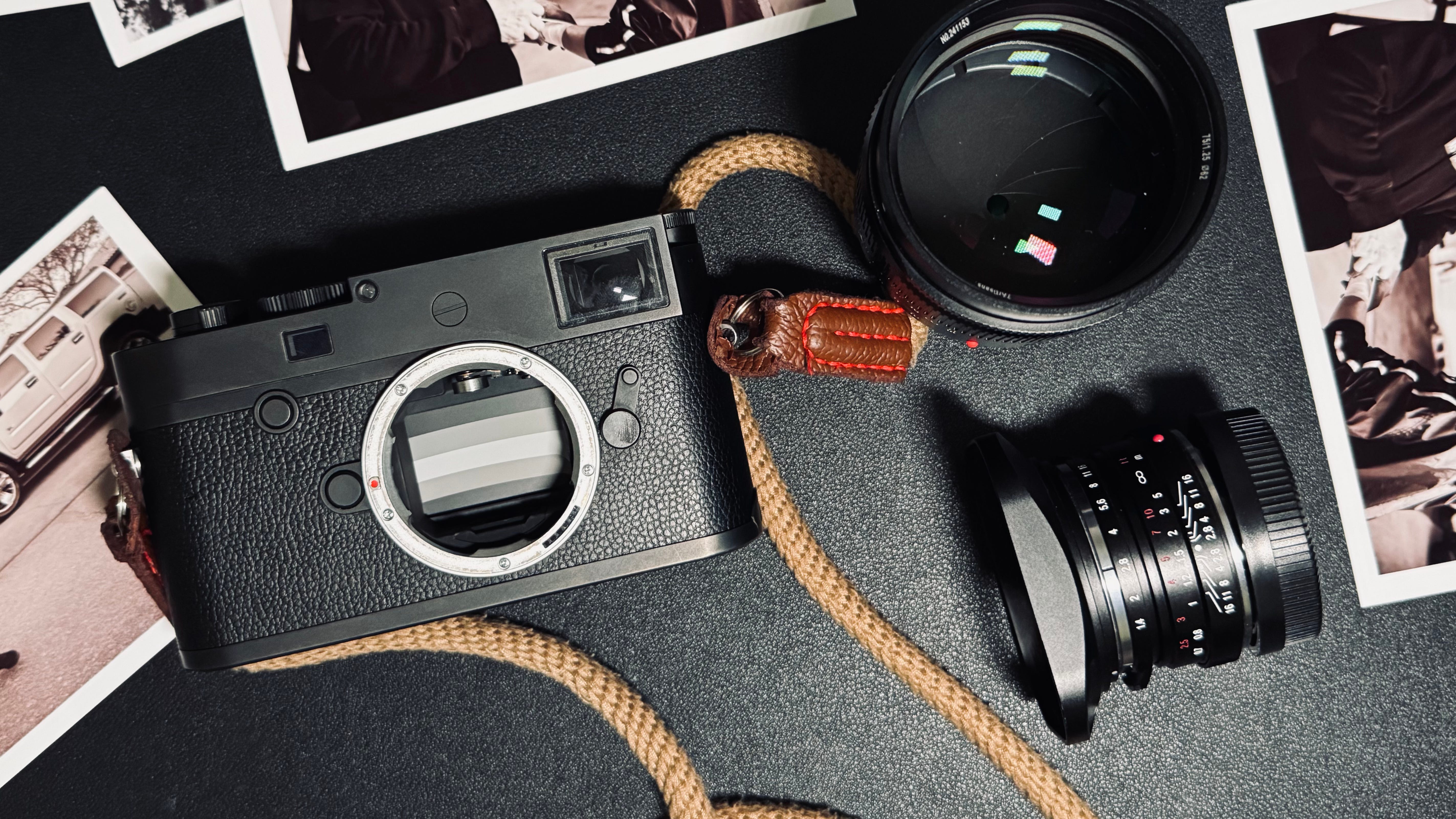
For months I was dead-set on 50mm being my walking around focal length. I had a TTArtisans nifty fifty locked into my Leica. However, even then I was not fully convinced. In my bag was also a 40mm Voigtlander. Just in case, I thought, I needed something a bit wider. Something that I could trust a little but more.
But, alas, I struggled with the longer focal length. In part because zone focusing proved to be a bit more difficult than I would have liked. But, more of an issue for me, personally, was how it influenced my movements on the street. It was a stark contrast coming from the Leica Q2M Monochrom that I owned prior, with its 28mm Summilux fixed on the front. That set up forced me to get closer to the action, while I felt as though the 50mm pushed me away from it all.
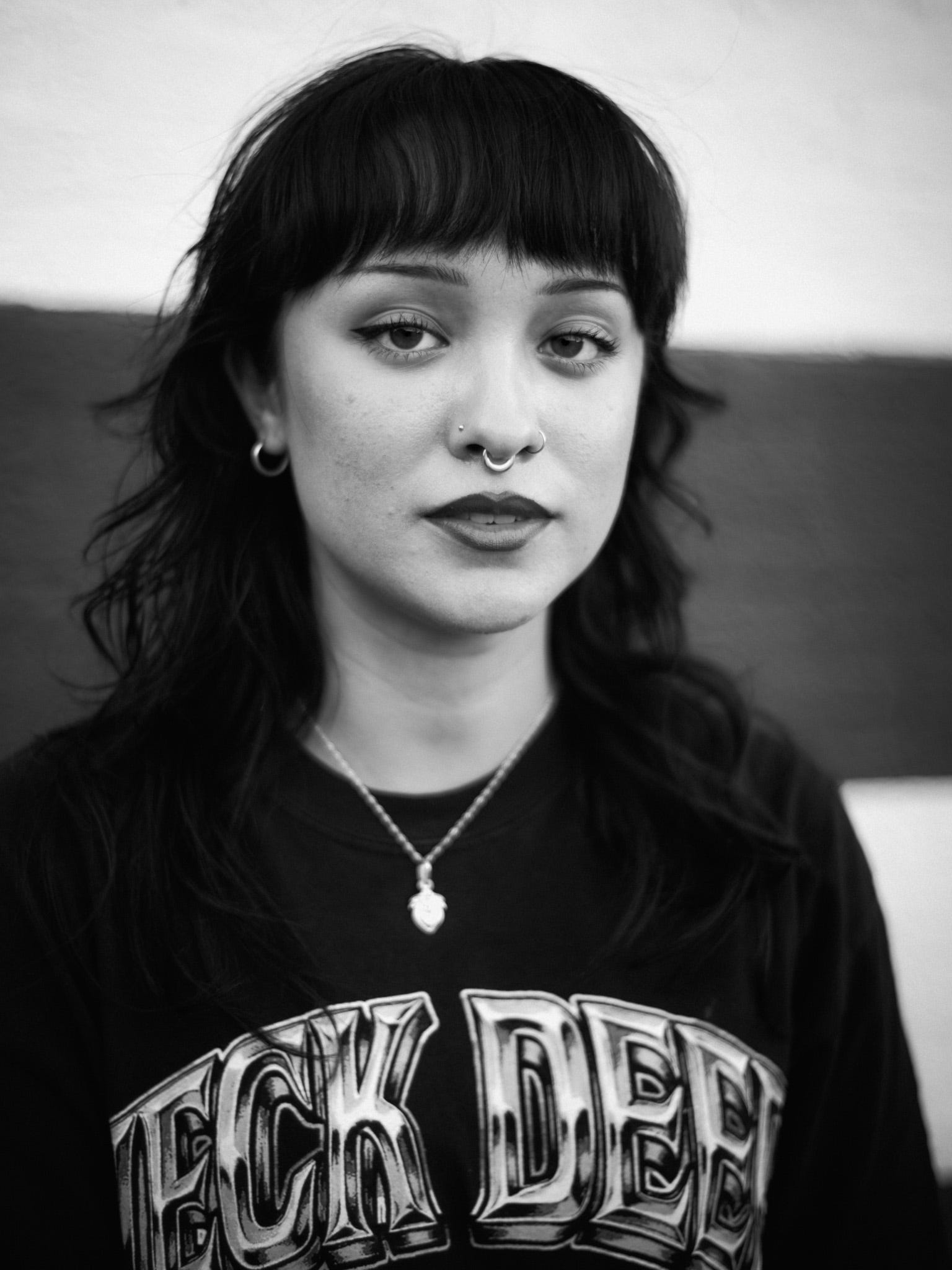
So, slowly I found myself gravitating more toward the 40mm in my bag, until that ultimately became my do-it-all focal length for the better part of the last year.
Despite being an untraditional focal length, 40mm, I have gotten incredibly comfortable with it. However, there there has continued to be consistent workflow and ergonomic limitations with it.
You see, as you might already know, the Leica M series cameras are rangefinders, and thus do not have electronic viewfinders (or live view in the VF). Instead, they have optical viewfinders with brightline framelines to give the photographer a general sense of what will and won’t be in the frame. Although not precise, they are pretty darn close. That is, when you have a matching focal length lens for the framelines. Unfortunately for me, Leica does not have an M-mount 40mm lens native to their line-up, and thus the M series cameras do not have 40mm framelines available in the camera settings. They do, of course, have more traditional focal lengths, including 35mm.
Now, you might ask, how much of a difference could 5mm actually make? Well, in practice, quite a lot actually. Or so I thought, at least. What I found was that I could not trust the frame lines, which oftentimes either caused hesitation (leading me to miss a moment), or necessitated that I also check the LCD (which has liveview) to confirm composition. This was especially the case with portraits, as the margin of error gets even more narrow as your subject fills up more of the frame — we don’t want to chop the tops of heads, nor do we want to leave too much space above our subject. Specficially, the left/right width going from 35 to 40mm is altered more than the height, leading to portrait-orientation photos (as many portraits are taken) being impacted the most. In these scenarios, I found myself constantly lining up focus with the rangefinder, only to have to back my face up to double check the LCD and potentially recompose the shot.
This was exacerbated the most when shooting at (or near) wide open. The whole point of using the range finder in these scenarios is to precicely nail focus on the subject (often their eye). However, backing out your face to then view the LCD all but guarantees that you will slightly move the focus point. And, with such a narrow plane of focus at, say, f/1.4, I often found myself just missing focus, leaving me with sharp cheekbones, eyelashes, or sideburns, but soft eyes.

Now, what I knew from past experience was that I do like 35mm as a focal length, aesthetically speaking. Prior to jumping over to Leica, I once had a Fujifilm X100 series camera. These cameras have fixed 23mm lenses on them, which mounted on a crop-sensored camera make them 35mm equivalent in full frame terms. So, I had quite a lot of experience with that focal length and came to feel competent and confident with it. What I did not know for sure was whether backing down 5mm to the 35 would solve my framelines and composition problems on the M camera.
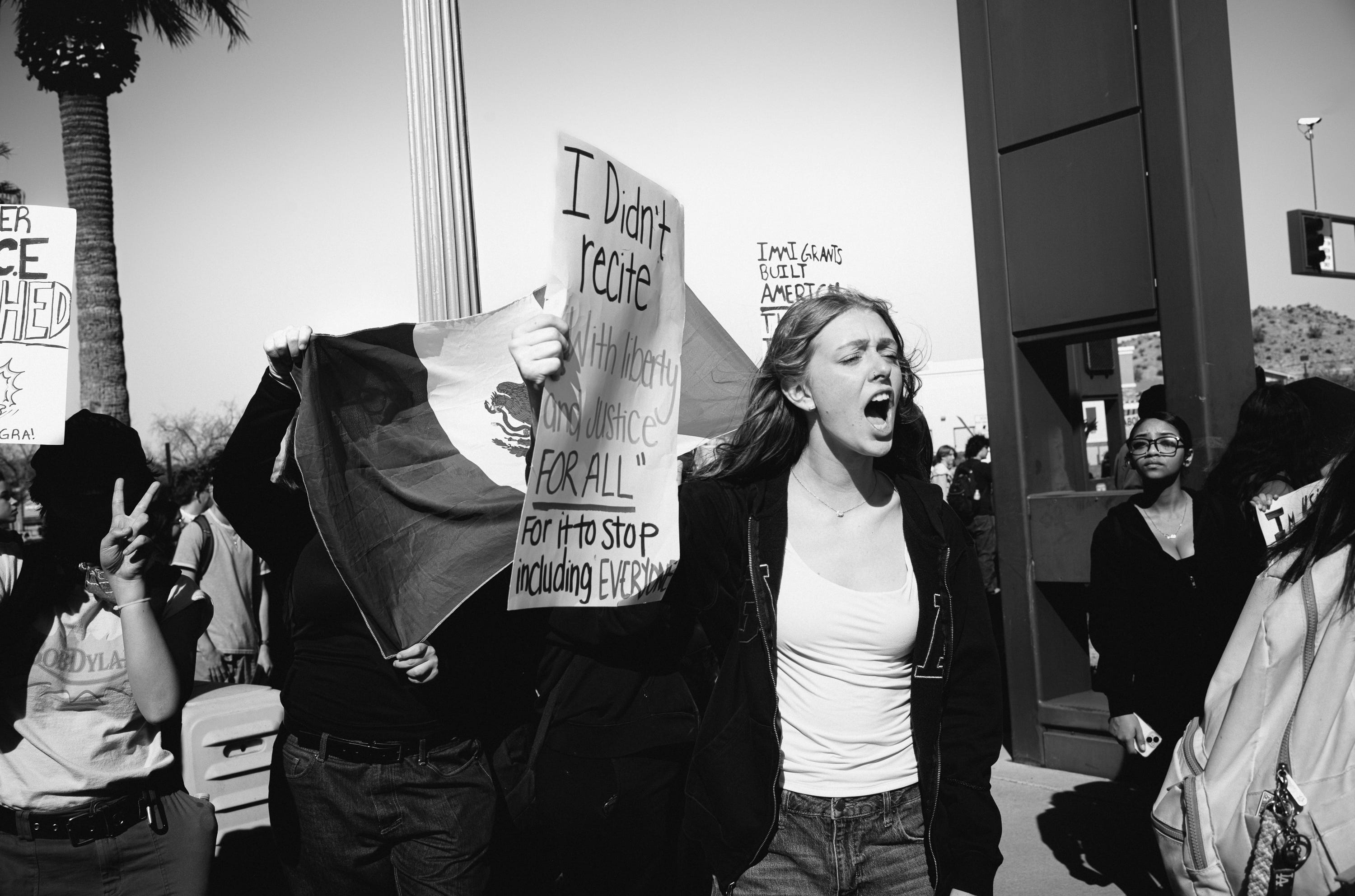
Thanks to Leica, however, I was able to trial a 35mm Summilux lens for two weeks last month. I wrote more on my time with the legendary lens a few weeks ago (see below).

However, for the purposes of this piece, I can tell you that the first day, alone, with that lens convinced me that I needed to make the switch. I never once doubted the framelines, which was a freeing experience in the moment. No hesitations, no double-checking, just going with the flow and naturally making photographs, with the camera feeling like an extension of myself. Just like the experience ought to be.
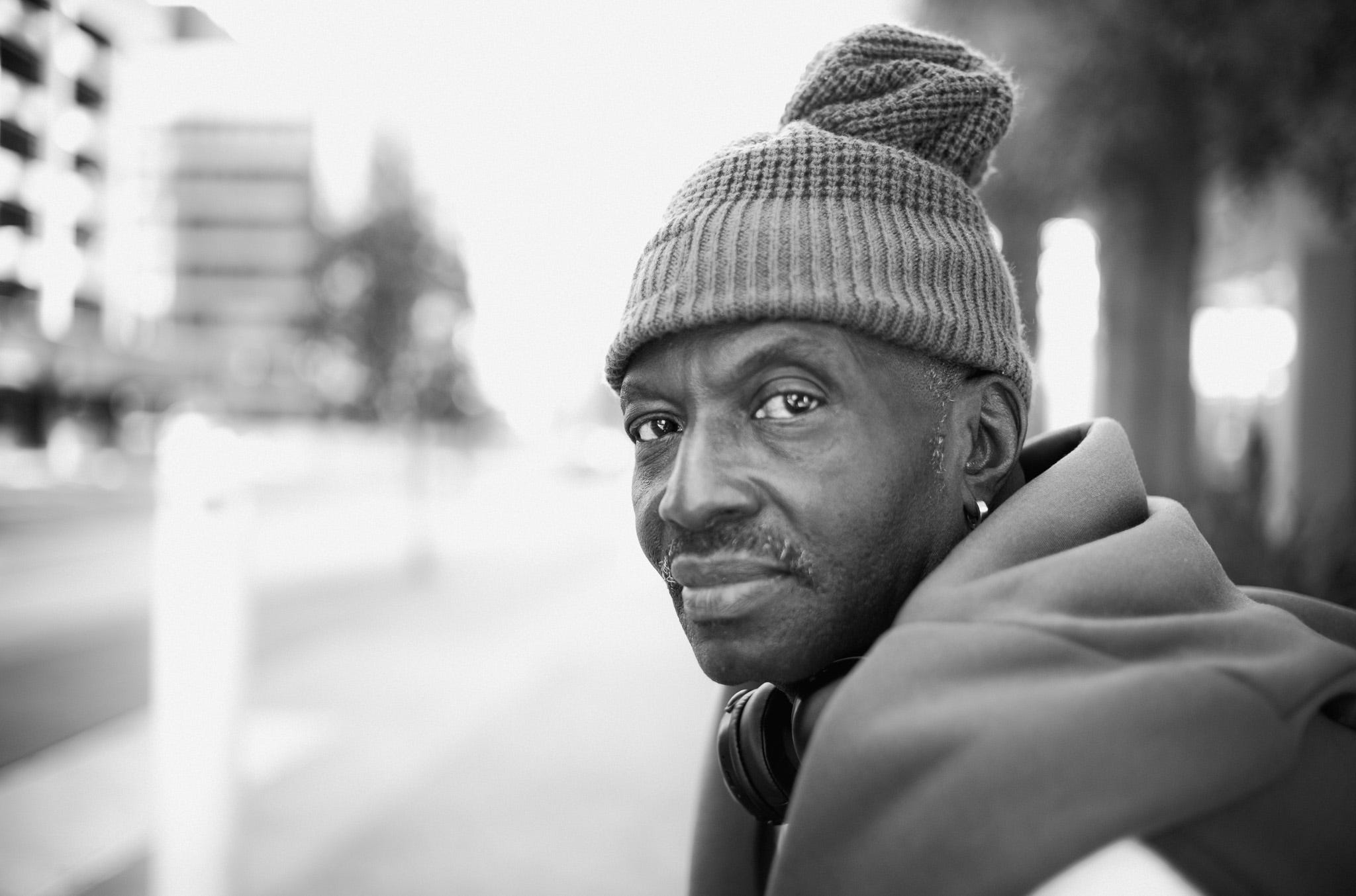
Today is “new lens day” for me. I am expecting the 35mm lens to arrive this afternoon while I am at work, and I will soon share with y’all which brand and lens I chose and why. But for now, I simply can’t wait to get it mounted onto the camera and use it.
28mm or 35mm are the only way to travel!
I love using my Voigtlander 40mm f2.8 Heliar on my M3, a great focal length. I bought the L39 version though so I could also use it on my iif as well to make a tiny combination for travelling light.